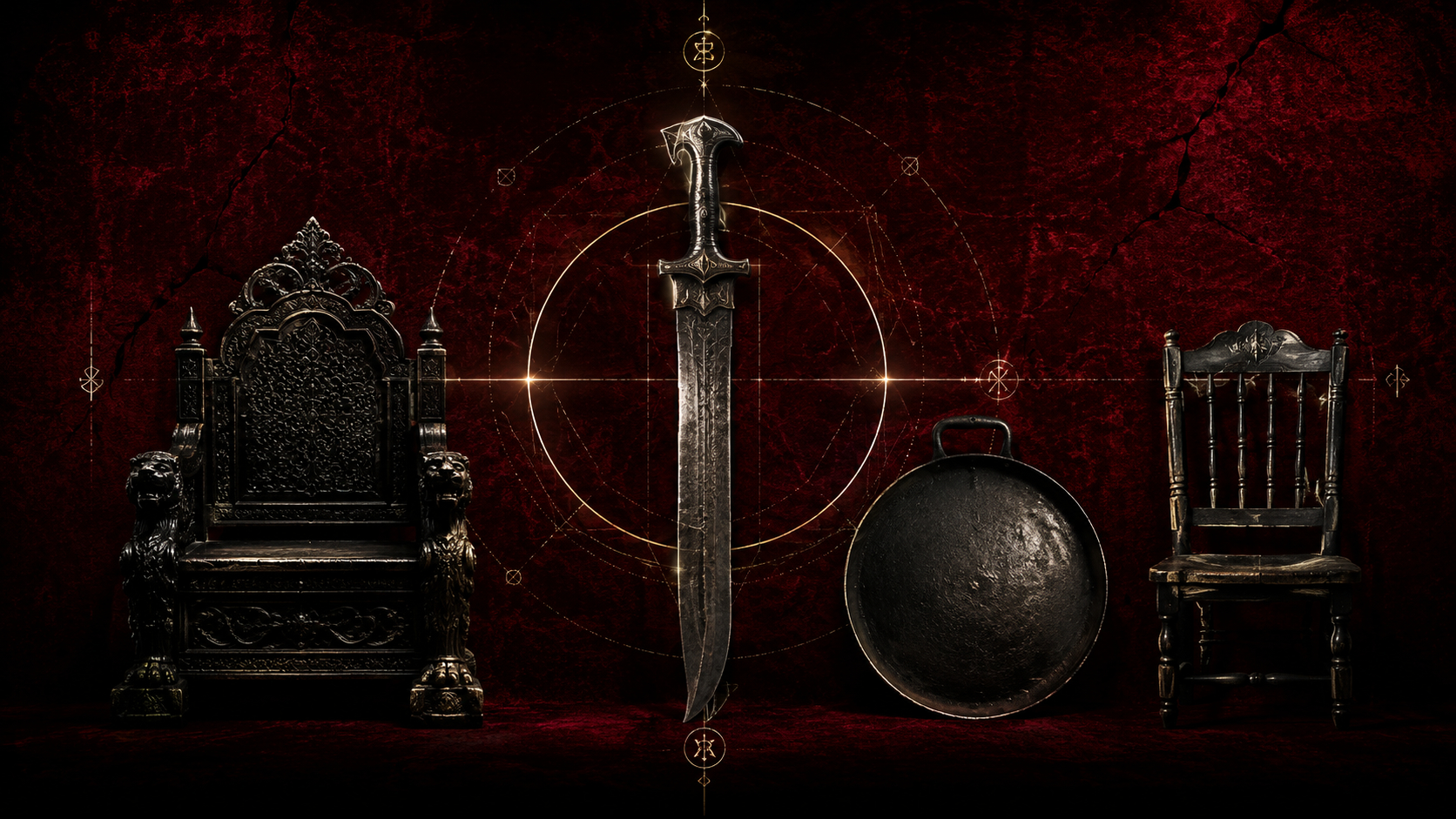
Based on Hindu Dharma Shastras, Vastu Shastra, Puranas, and regional Indian folklore, certain material objects are believed to carry negative spiritual energy, cosmic afflictions (doshas), or specific curses (shraap). When everyday tools or royal artifacts are handled incorrectly, structurally compromised, or acquired through tragedy, they transform into Shraapit Vastuyein (Cursed or Forbidden Objects). These items are believed to systematically ruin a home's protective shield, inviting lower astral forces and financial ruin.
Below is a deep dive into the four major categories of cursed objects, weapons, kitchenware, and seats of power as recorded in Indian esotericism.
1. Cursed Weapons & Occult Tools (Shraapit Astras)
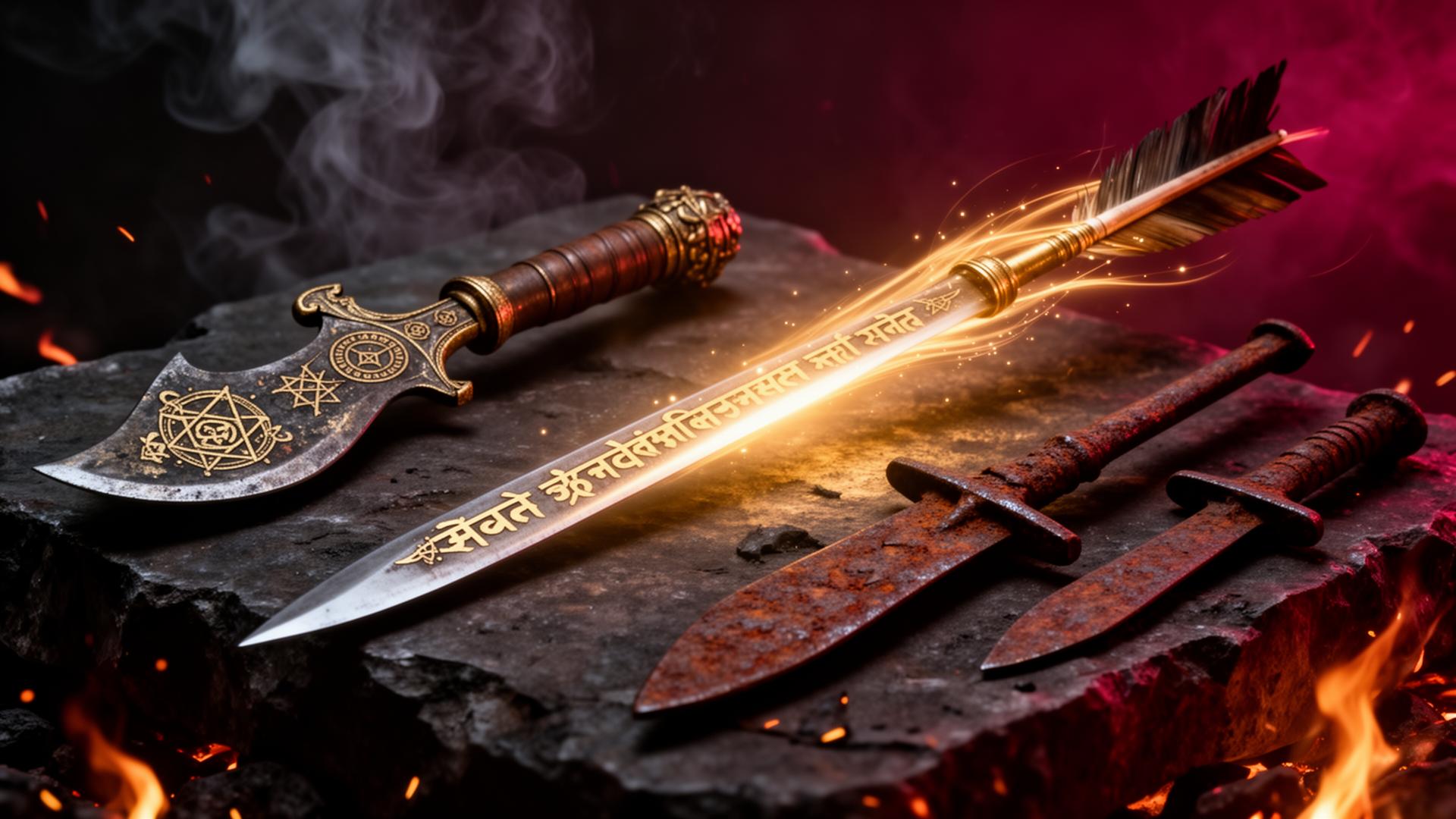
In Hindu traditions, legendary armaments are rarely viewed as mere physical metal; instead, they function as sophisticated metaphysical conduits of cosmic energy. When bound by severe betrayal, unbridled bloodlust, or structural misuse, they transform into highly volatile spiritual hazards.
The Sword of Asi
As the primordial sword forged by Lord Brahma to eradicate cosmic evil, Asi represents supreme righteousness. However, it carries an inherent cosmic curse of absolute bloodlust. Once its fierce energy is awakened, it overwhelms the consciousness of its wielder, compelling them toward extreme violence, and it refuses to rest until it has consumed life force, eventually contributing to the collapse of entire royal dynasties.
The Unretracted Brahmastra
Invoking this cataclysmic weapon improperly triggers a severe biological and environmental curse upon the earth. When Ashwatthama unleashed it maliciously against an unborn child and lacked the spiritual purity to retract it, Lord Krishna cursed him to wander the earth for 3,000 years in complete, diseased isolation. Concurrently, the land of Kurukshetra where it struck was afflicted with a multi-generational drought.

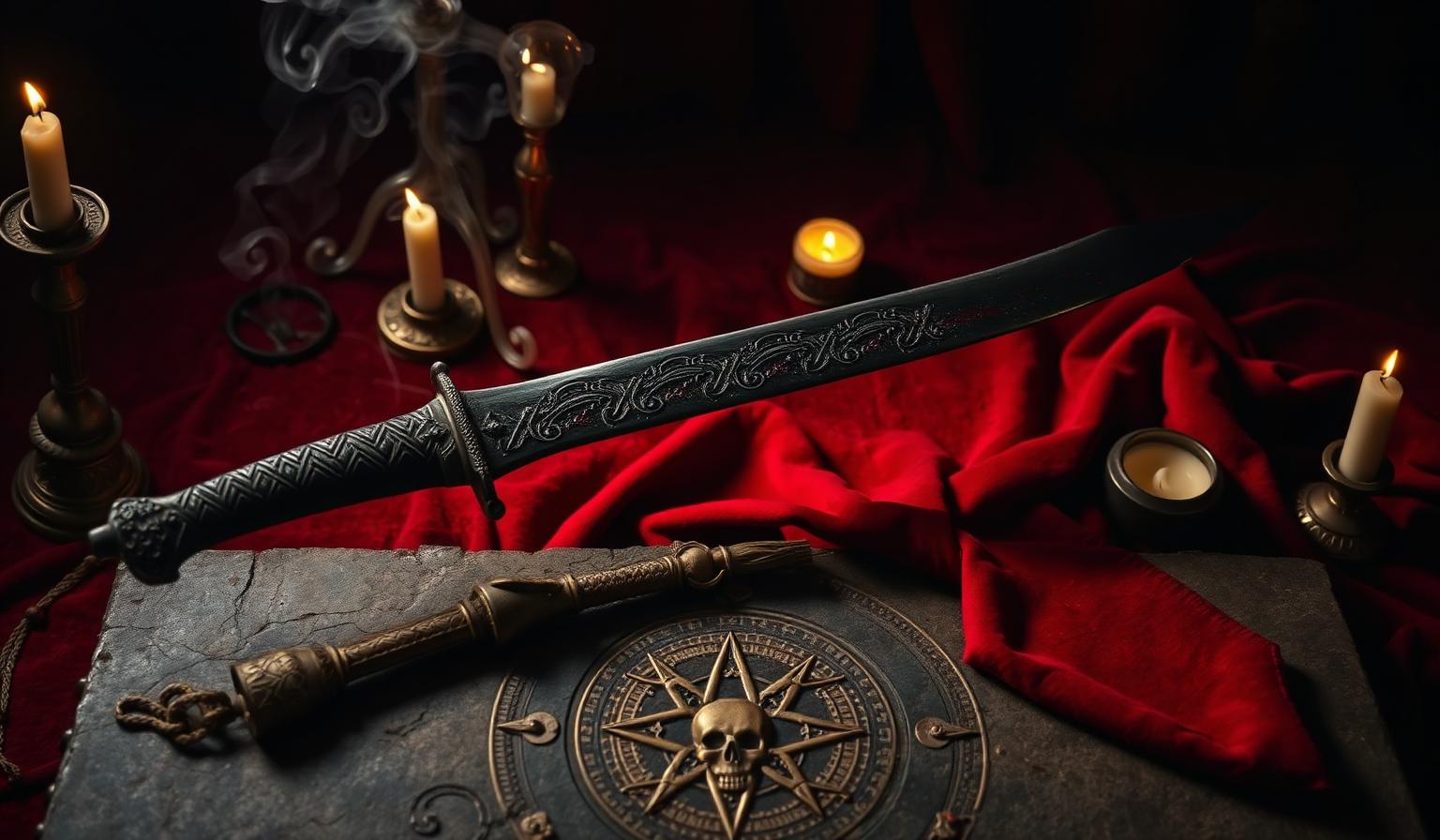
The Blood-Bound Khadga
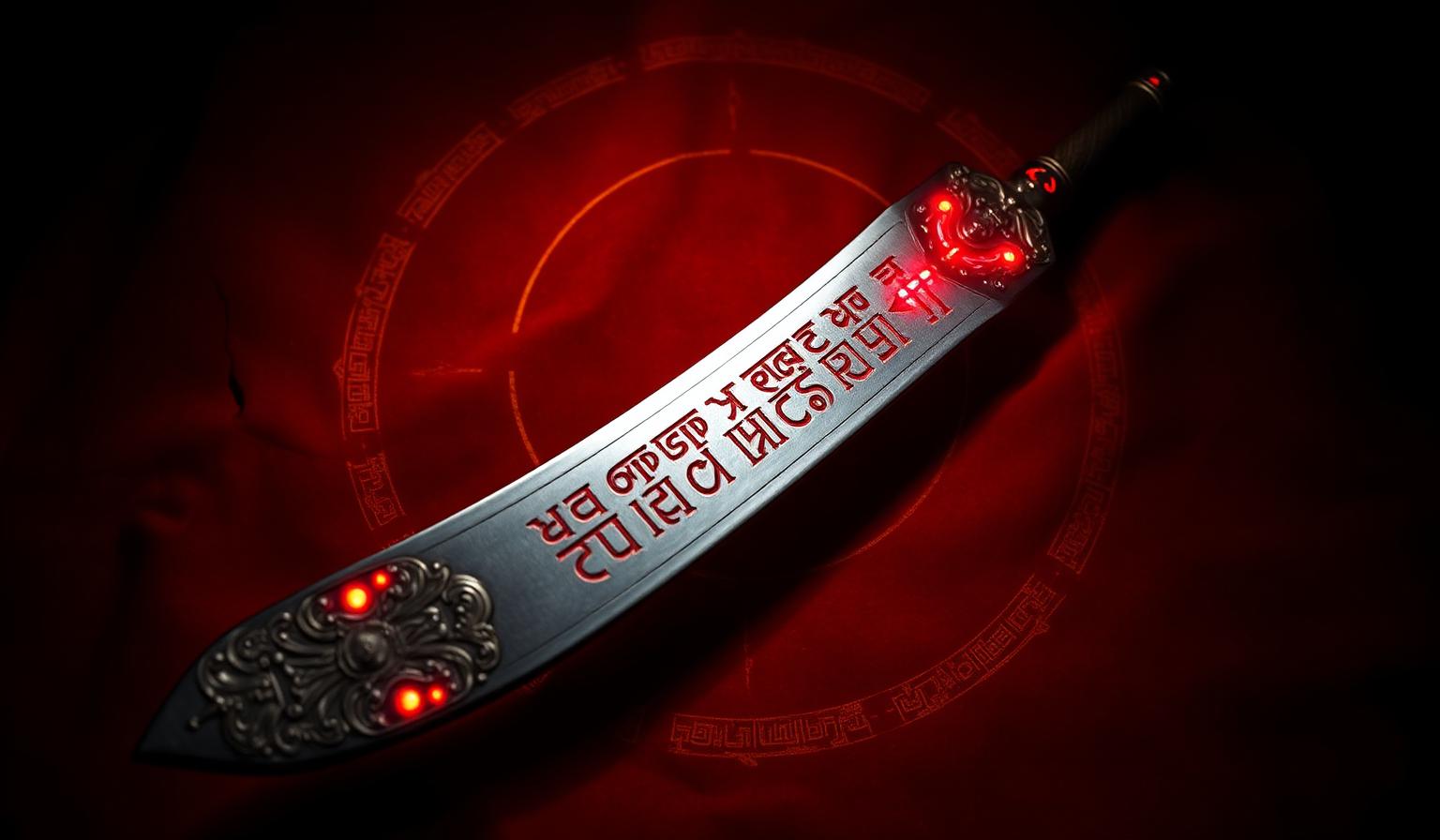
Forged via dark esotericism and localized occult entities, a Khadga (heavy curved sword) utilized in illicit human sacrifices or malignant Tantrik rites becomes permanently corrupted. These blades absorb the heavy residual agony and unfulfilled desires of their victims. Storing such an object in a household acts as a homing beacon for Pretas (restless spirits), causing psychological imbalances, night terrors, and domestic madness.
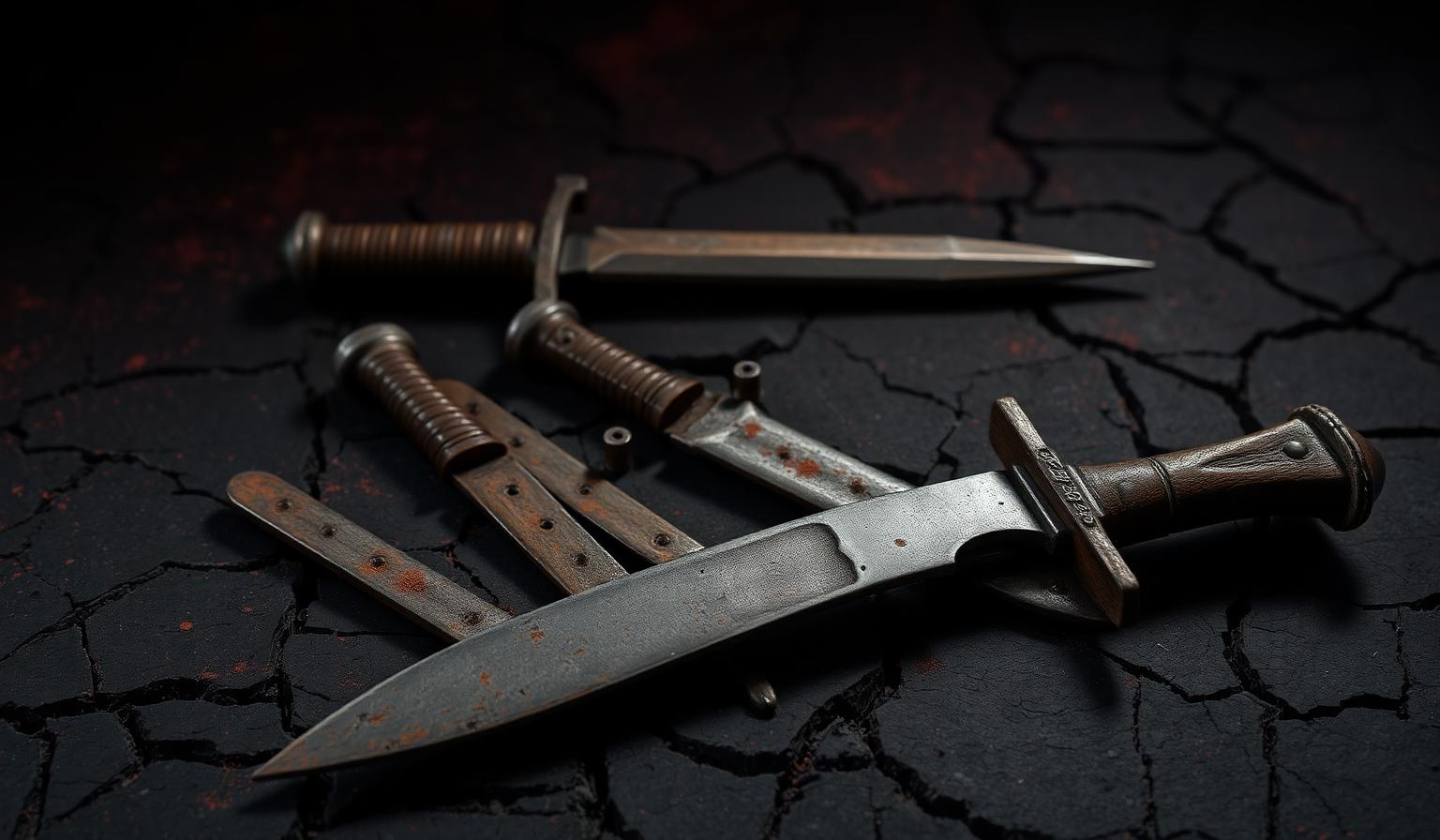
Rusted Iron Weapons (Shani Loha)
While clean iron traditionally serves as a folk shield to ward off lesser wandering spirits, iron weapons that are intentionally fractured, deeply rusted, or obtained via deceit invoke a heavy astrological curse. Storing broken swords or neglected daggers inside a domestic space actively triggers Shani Dosha (Saturn's affliction), bringing poverty and severe friction.
2. Cursed Thrones & Seats of Power (Shraapit Gaddi)
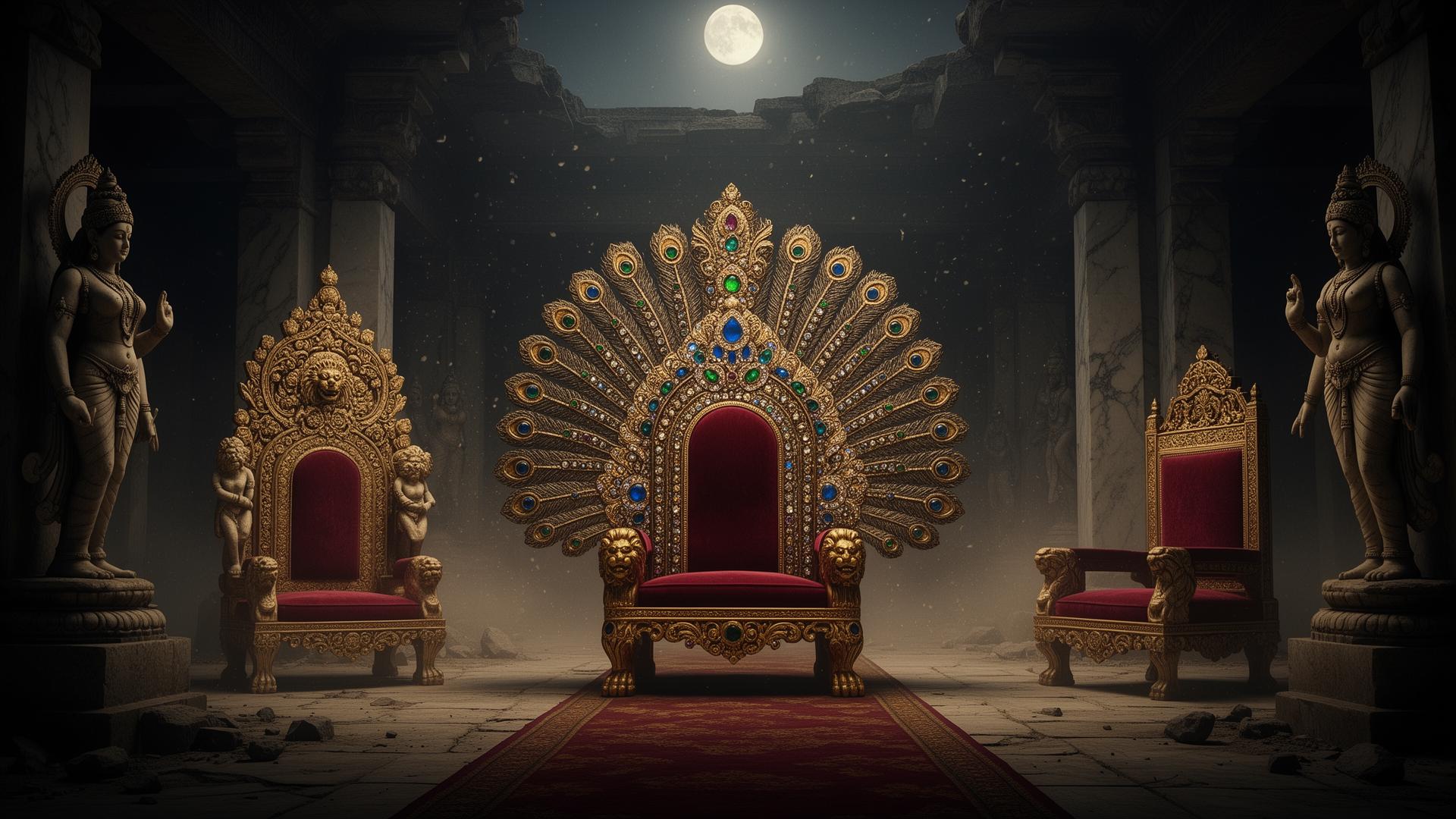
In Indian royal history, a Gaddi (throne) is viewed as a spiritual lightning rod anchoring the collective destiny, karma, and energetic vibrations of an entire kingdom. Seizing this apex seat through treacherous bloodshed or the violation of sacred vows inevitably manifests a devastating generational curse upon any ruler who ascends it.
The Throne of Vikramaditya (Simhasan Battisi)
Gifted by Lord Indra, this legendary throne was supported by 32 celestial Apsara statues turned to stone. It possessed a protective, self-correcting "reverse curse". If a king attempted to ascend it with even a shred of hidden ego, deceit, or unconfessed sin in his heart, the stone statues would judge his consciousness, stripping him of his sanity or striking him down via cosmic forces.
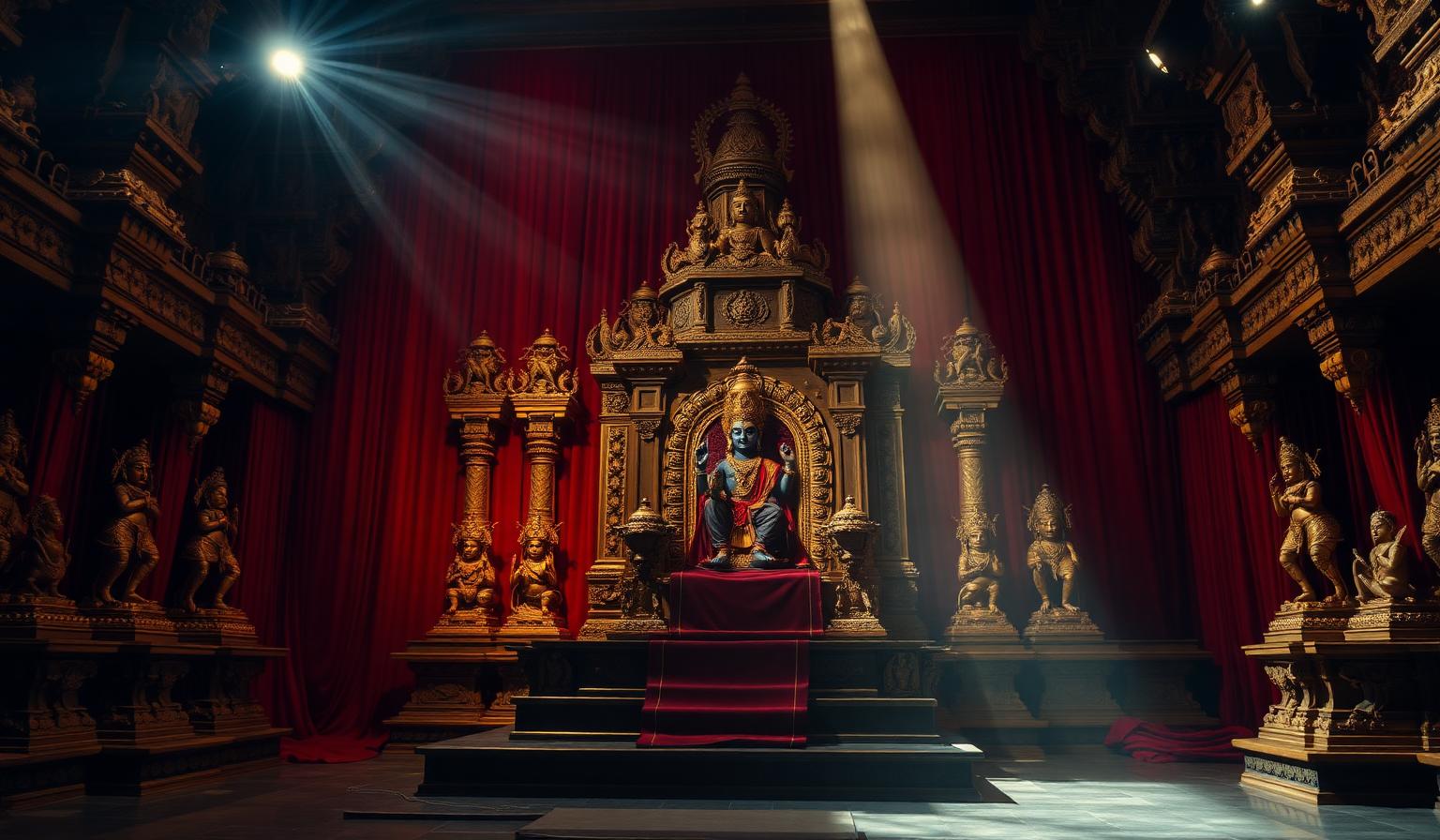
The Peacock Throne (Takht-e-Taus)
Commissioned by Shah Jahan and famously embedded with the cursed Koh-i-Noor diamond, this historical seat became an absolute vortex of greed and bloodlust. It immediately triggered severe familial betrayal — Shah Jahan was overthrown and imprisoned by his own son, Aurangzeb. The throne left a trail of tragic downfalls and foreign plundering for every subsequent male ruler who sat upon it until its complete destruction.
The Throne of the Wodeyars
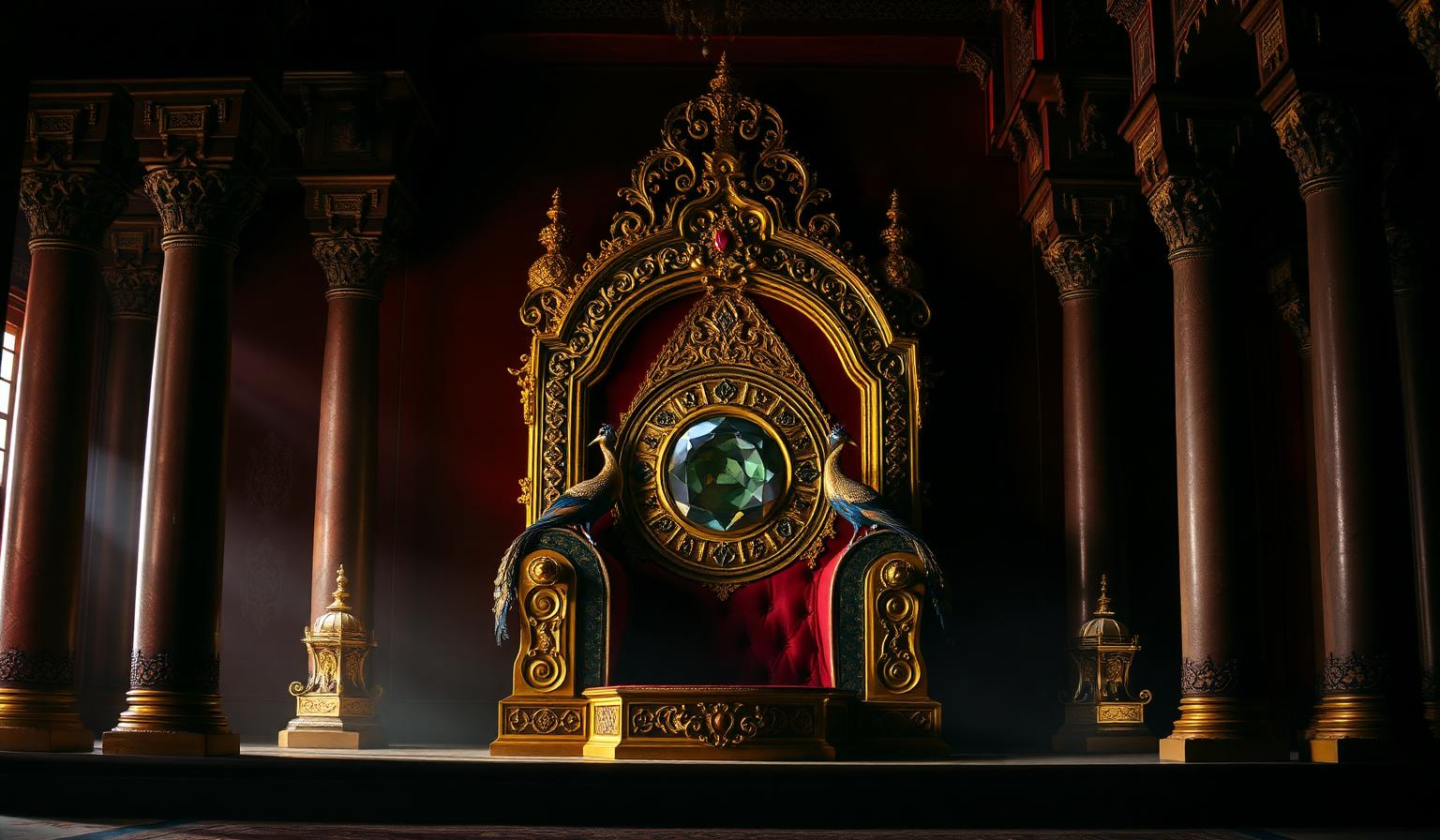
Born from the infamous Curse of Talakadu in 1612, this royal seat was blighted when the Wodeyar king hunted down Queen Alamelamma to seize her royal jewels. Before leaping to her death in the Cauvery River, she declared a multi-part curse, stating the Mysore kings would never beget natural heirs. For over four centuries, the rulers of this Gaddi faced a bizarre biological pattern, repeatedly forcing the adoption of nephews to prevent the dynasty from collapsing.
The Blood-Stained Gaddi of the Peshwas
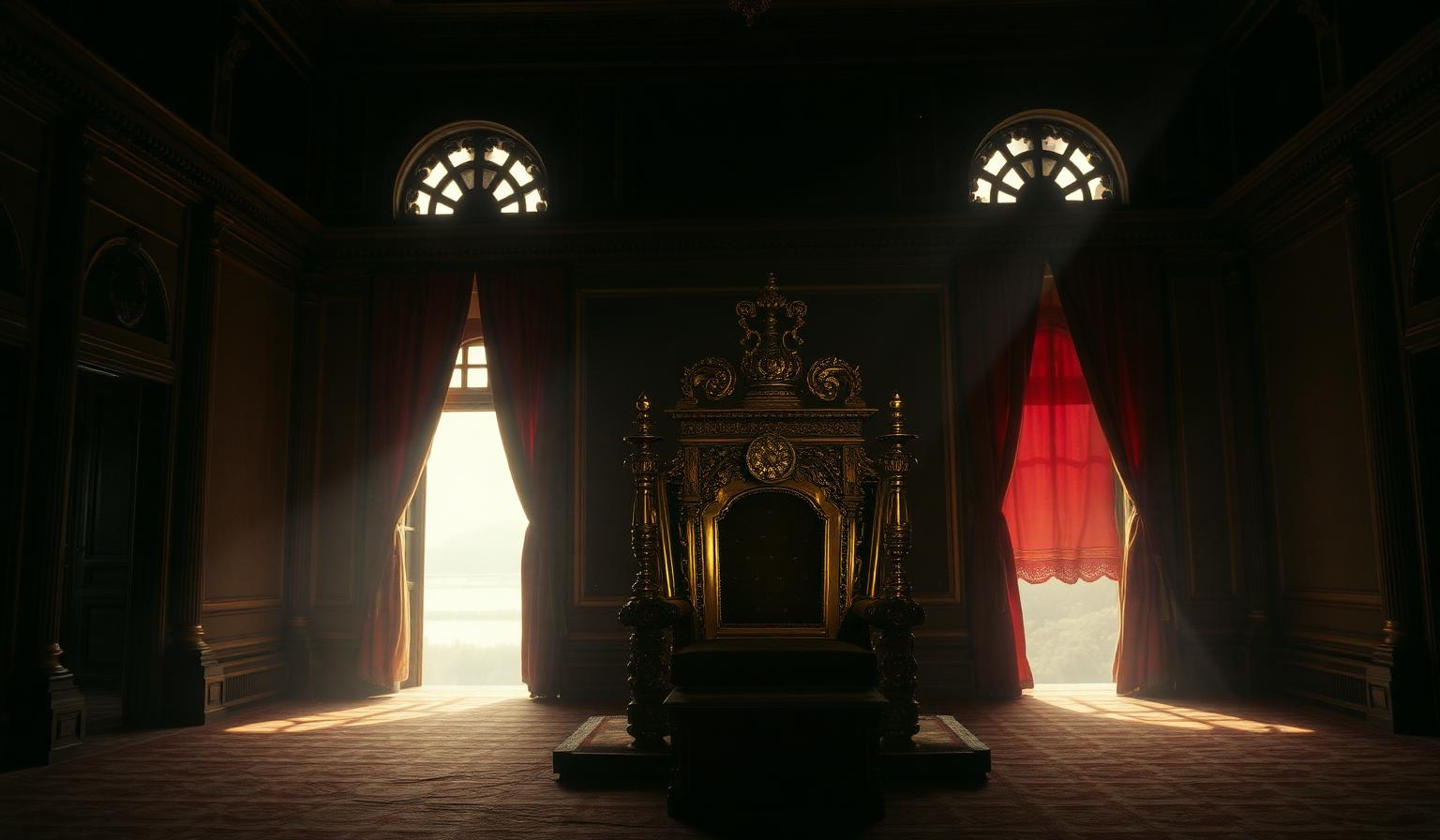
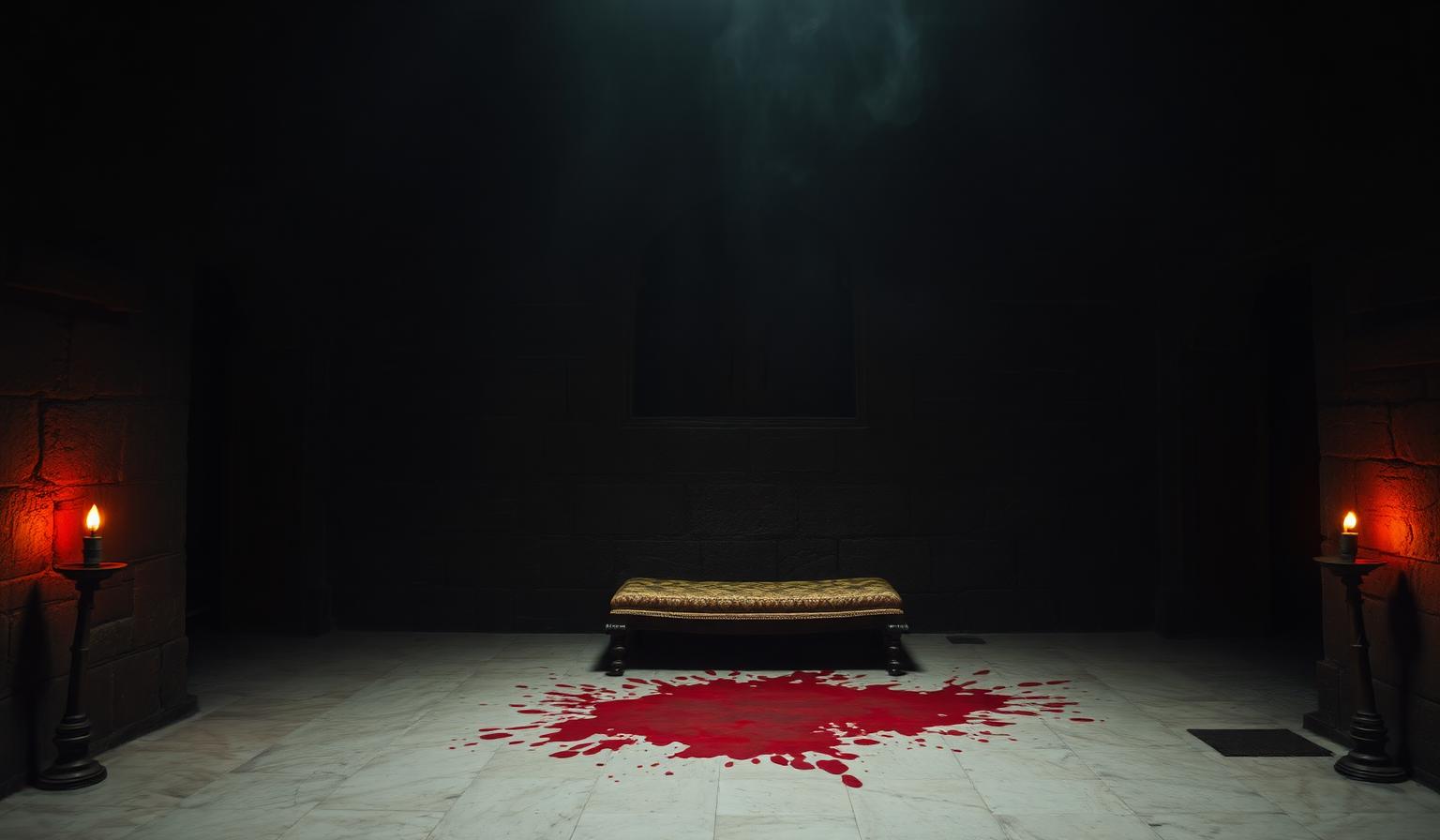
Located within Pune's Shaniwar Wada fortress, this prime ministerial seat was spiritually ruined in 1773 following the brutal assassination of the young Peshwa Narayanrao due to a domestic conspiracy. Because the seat of power was seized through the horrific murder of a nephew, the entire empire descended into rapid political chaos, and the physical ground where the throne stood remains intensely haunted by his restless spirit.
3. Spiritually Compromised Kitchen Utensils (Shraapit Bartan)
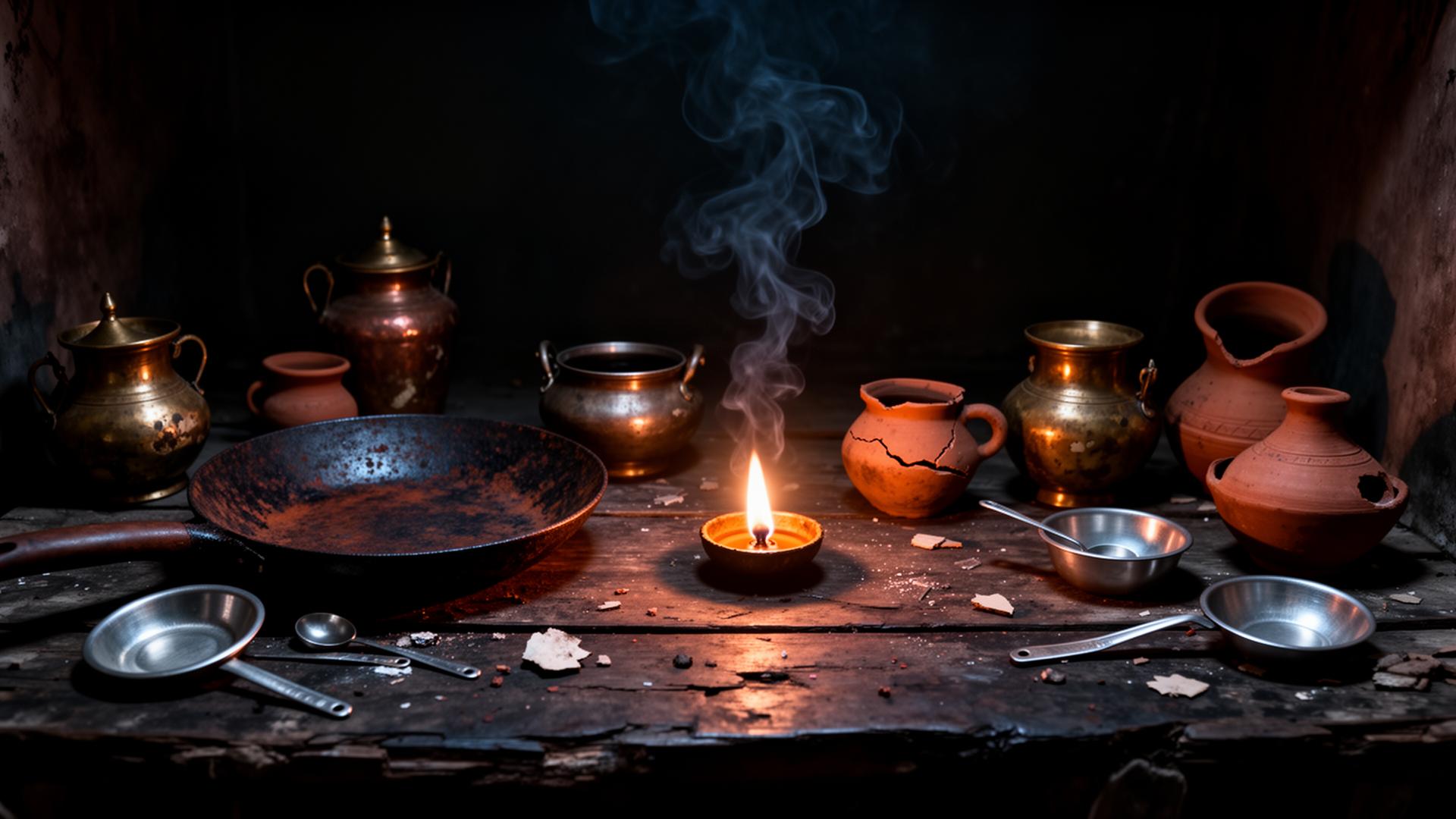
Domestic kitchenware is directly connected to a household's long-term prosperity, functioning as a sacred conduit for the nourishing energy of Goddess Annapurna. Specific structural neglect, handling errors, or forbidden materials can transform these everyday culinary tools into dangerous environmental hazards.
| Forbidden Kitchenware | Astrological / Spiritual Association | Esoteric Consequence on Household |
|---|---|---|
| Rusted Tawa & Kadhai | Shani Dev (Saturn's Affliction) | Activates Shani Dosha, locking the home in sudden financial blockages. |
| Overnight Unwashed Sink Utensils | Beacon for Alakshmi (Misfortune) | Conceptually "curses" morning meals, causing health issues and family friction. |
| Khandit Copper & Brass Vessels | Collapse of Sacred Energetic Shield | Becomes occupied by Pretas or lower astral forces, introducing illness. |
| Shok ke Bartan (Utensils of Grief) | Prana (Residual Emotional Imprints) | Traps unfulfilled desires of the deceased, poisoning domestic peace. |
| Pure Aluminum Kitchenware | Rahu (Shadow Planet of Illusion/Poison) | Strips food of its positive life force, throwing the human bio-field into chaos. |
4. Forbidden & Haunted Furniture
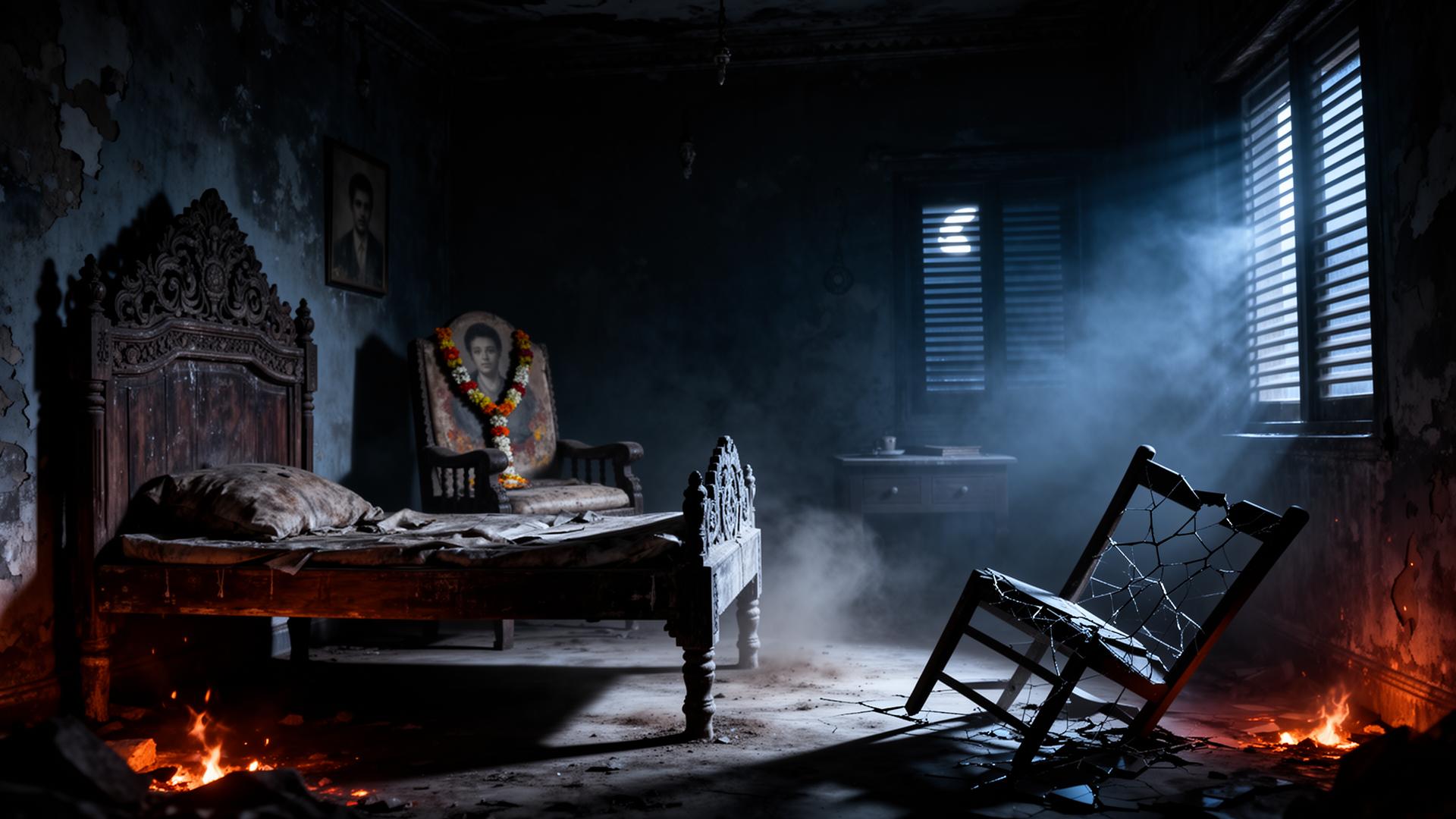
Unlike Western paranormal accounts that attribute haunted furniture to highly localized ghost stories, Indian folklore and Vastu Shastra emphasize the material composition, geometric structure, and the exact origin of the wood used.
Furniture Made from Forbidden Trees
Utilizing wood salvaged from the Peepal (Sacred Fig) or Banyan tree for constructing domestic beds, tables, or chairs is strictly forbidden. Because these massive trees undergo a metaphysical shift at night, becoming the resting place for wandering bachelor spirits (Munja), bringing their timber inside a home invites a permanent, localized haunting into your living space. Similarly, wood salvaged from cremation grounds (Smashan) or trees struck by lightning introduces severe doshas and sudden illnesses.
Furniture of the Deceased
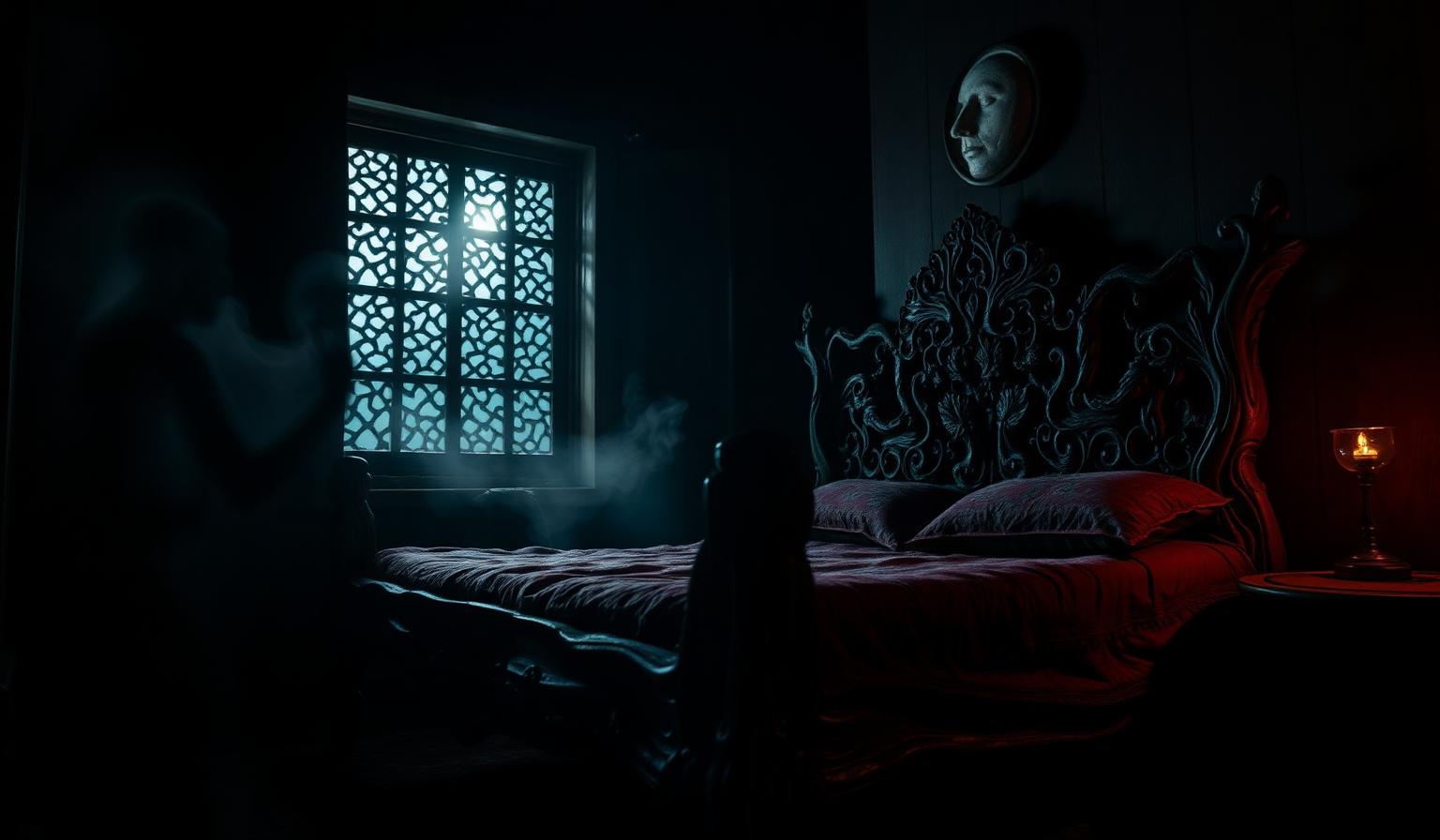
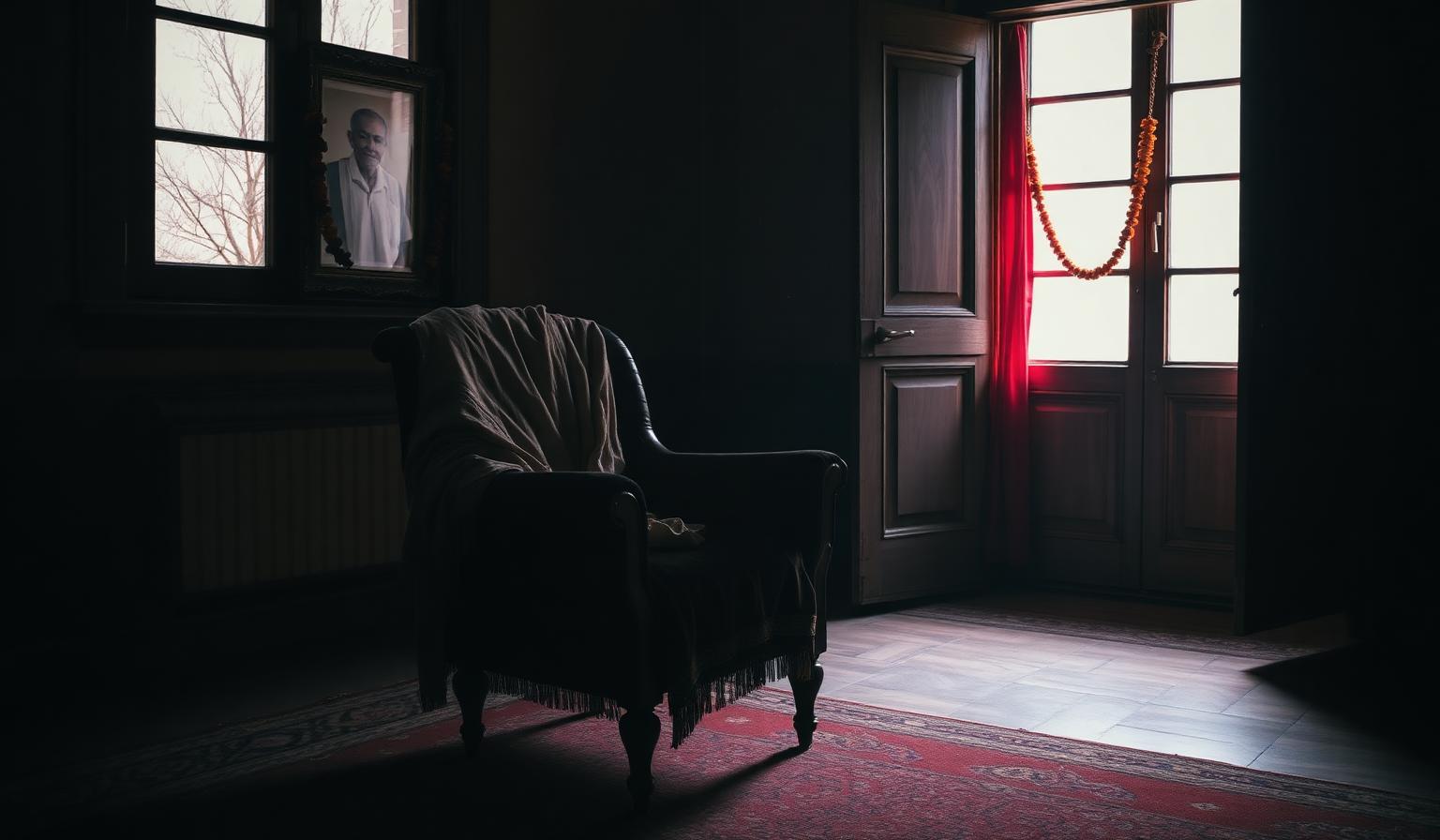
Keeping the primary bed or favorite armchair of a relative who suffered an abrupt, painful, or unnatural death is highly discouraged in folklore. Intense, unfulfilled earthly desires are believed to anchor the Preta (restless soul) directly to their favorite material belongings, meaning using them without intensive, rigorous cleansing rituals passes that residual trauma onto the living.
Geometrically Defective Furniture
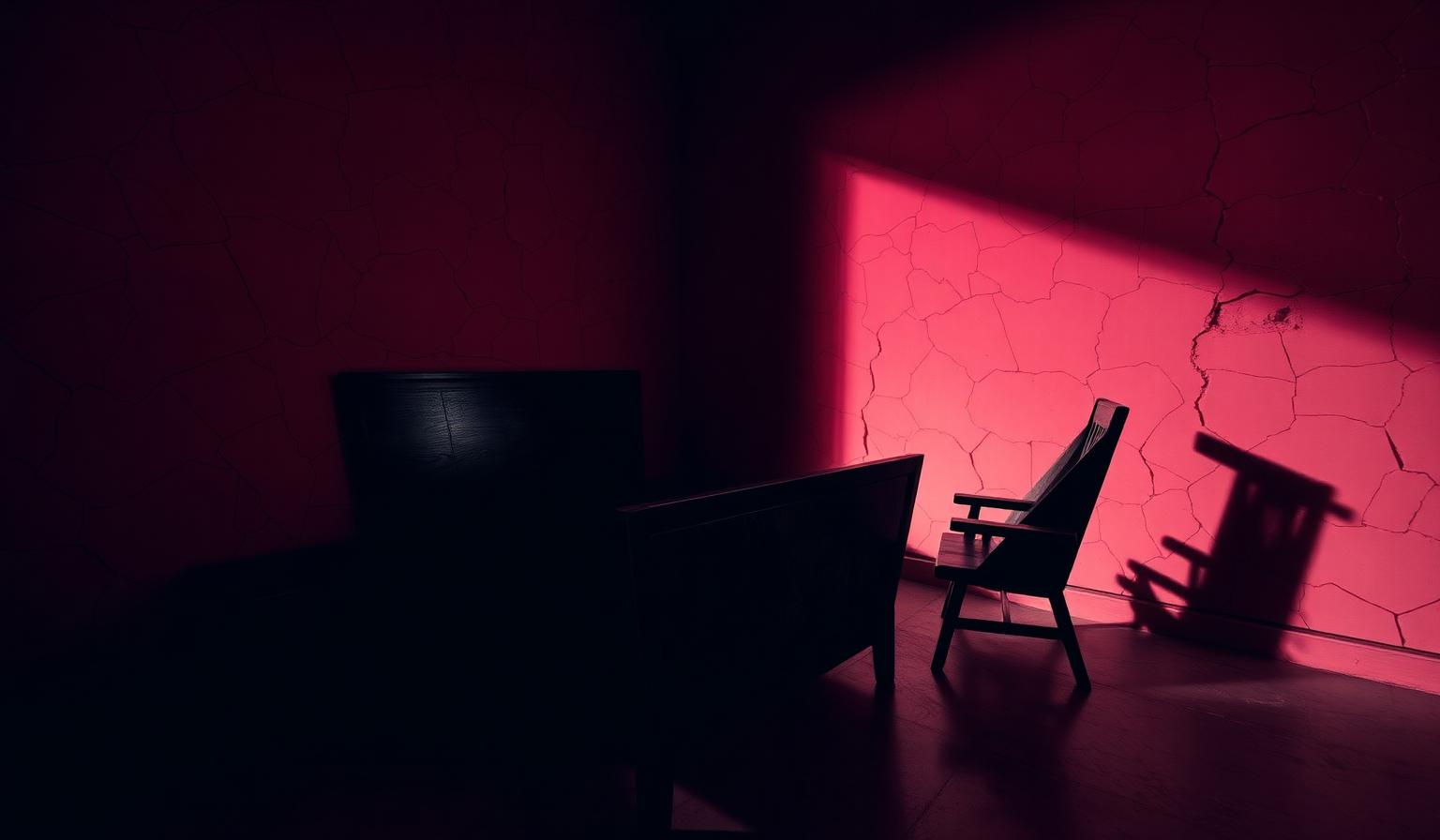
Vastu Shastra dictates that highly irregular, triangular, oval, or sharp-edged beds and seating fixtures distort the baseline energetic envelope of a room. They continuously fracture and amplify chaotic vibrations, destroying psychological peace and inviting persistent, unprovoked arguments among family members.
Cluttered Storage Beds
Modern box beds featuring built-in storage boxes become severely compromised if they are stuffed with old electronics, torn clothes, or rusted iron. This creates a heavy, stagnant pool of negative energy directly underneath a sleeping person. This energetic block is blamed for severe sleep paralysis, intense nighttime disturbances, and psychological dread.
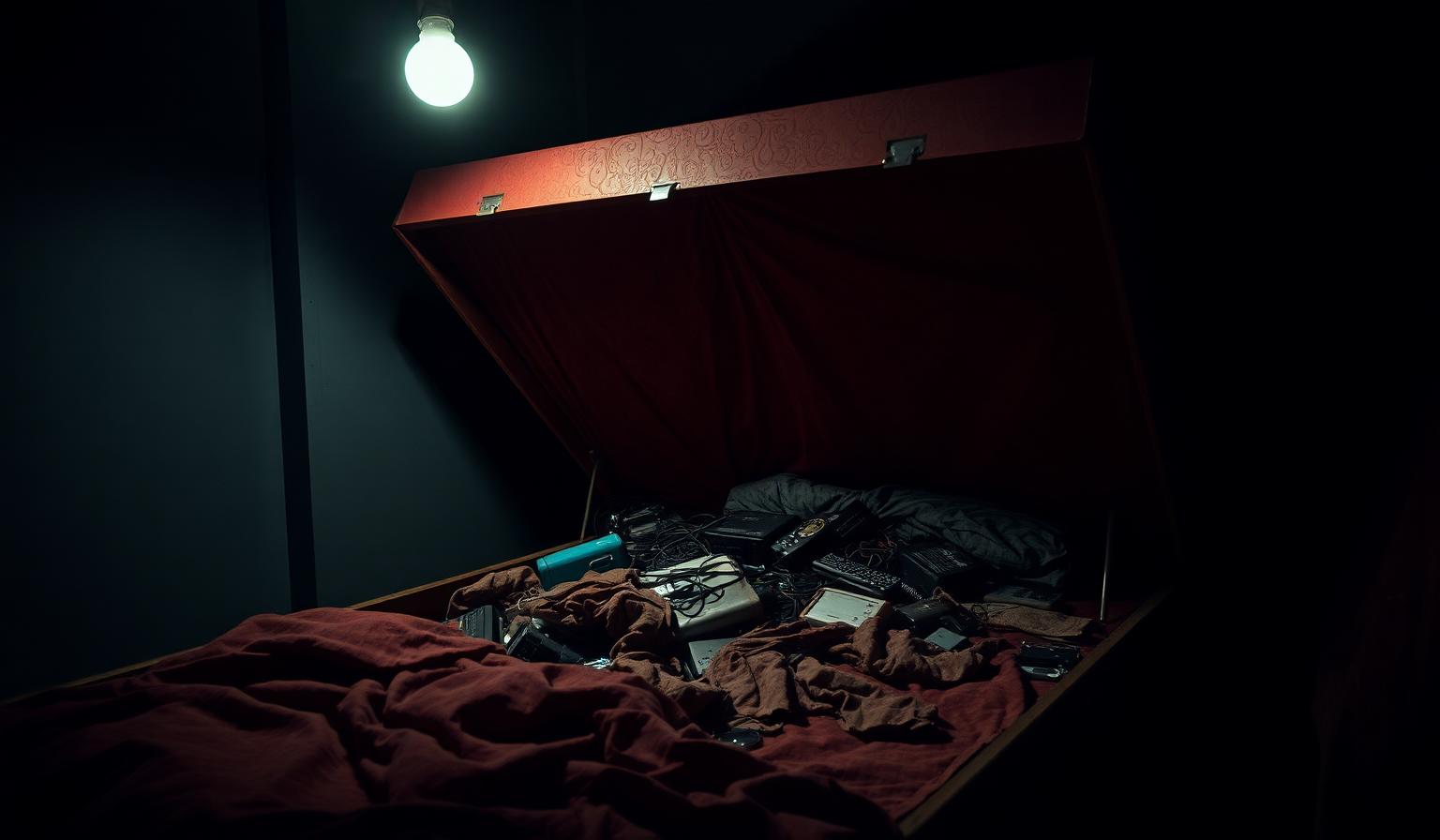
Broken or Creaking Furniture
Continuously sitting or sleeping on chairs and beds that are visibly cracked, broken, or emit sharp creaking sounds invites negative cosmic forces. In Indian folklore, these items are viewed as a physical manifestation of poverty and bad luck, acting as a slow leak in the home's spiritual protection.