
What follows are twenty rituals still performed in Indian households, fields, shrines and crossroads — none of them tourist-facing, most of them practised by one or two people on a specific night. We have grouped them in four buckets: protection of the threshold and the home, contact and exorcism, the dead and the returning dead, and divination plus counter-witchcraft. For each ritual we describe what is actually done, on what occasion, and — where a boring explanation exists — we name it. Where one does not, we leave the entry where it sits.
Nothing here is invented. The forms are old, the practitioners are real, and the practices are widespread enough that you have almost certainly walked past one without recognising it. We are not endorsing any of them. We are recording them the way a field journal records them: respectfully, specifically, and without pretending to know more than we do.
I. Threshold & Home Protection (1–5)
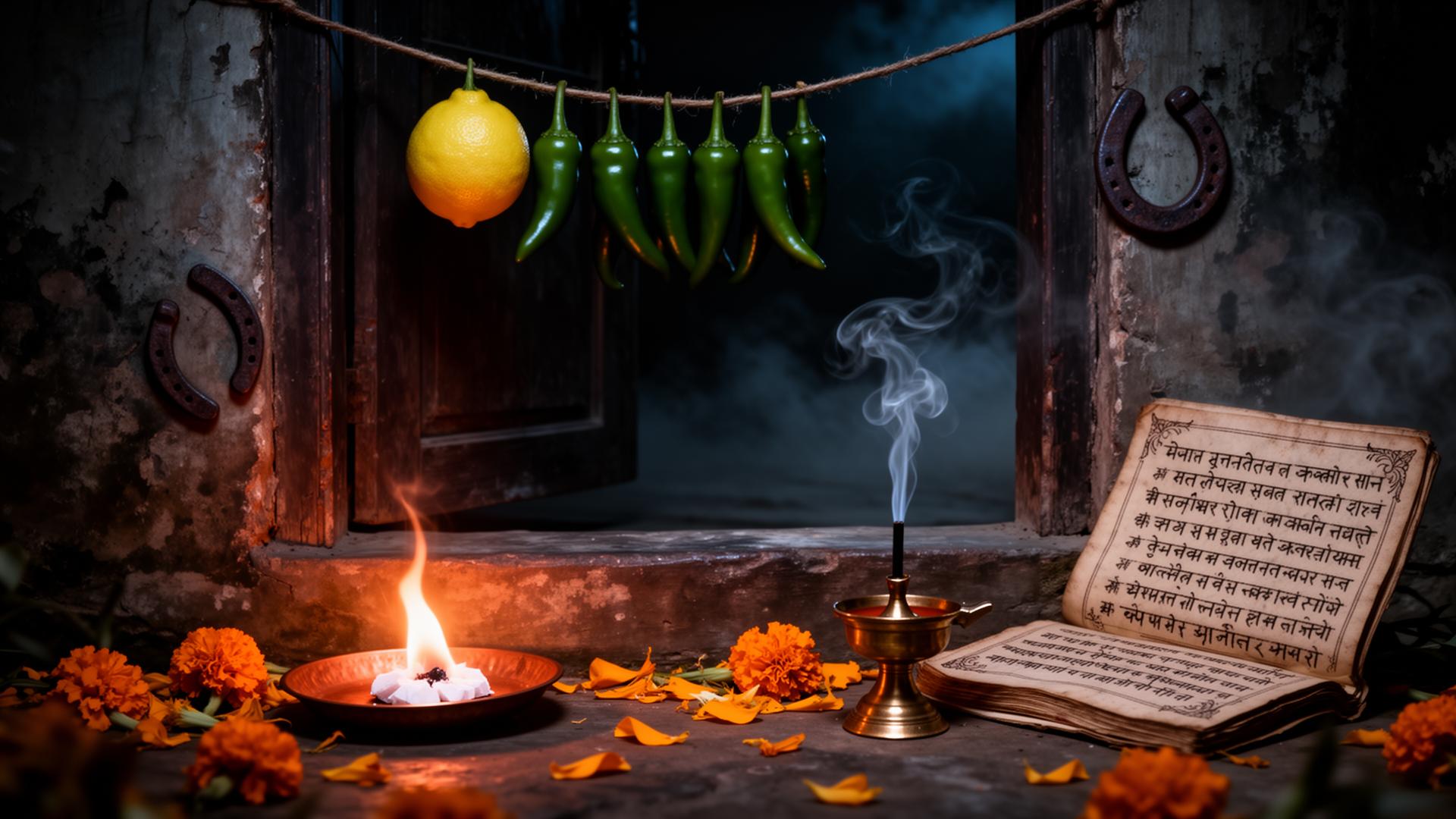
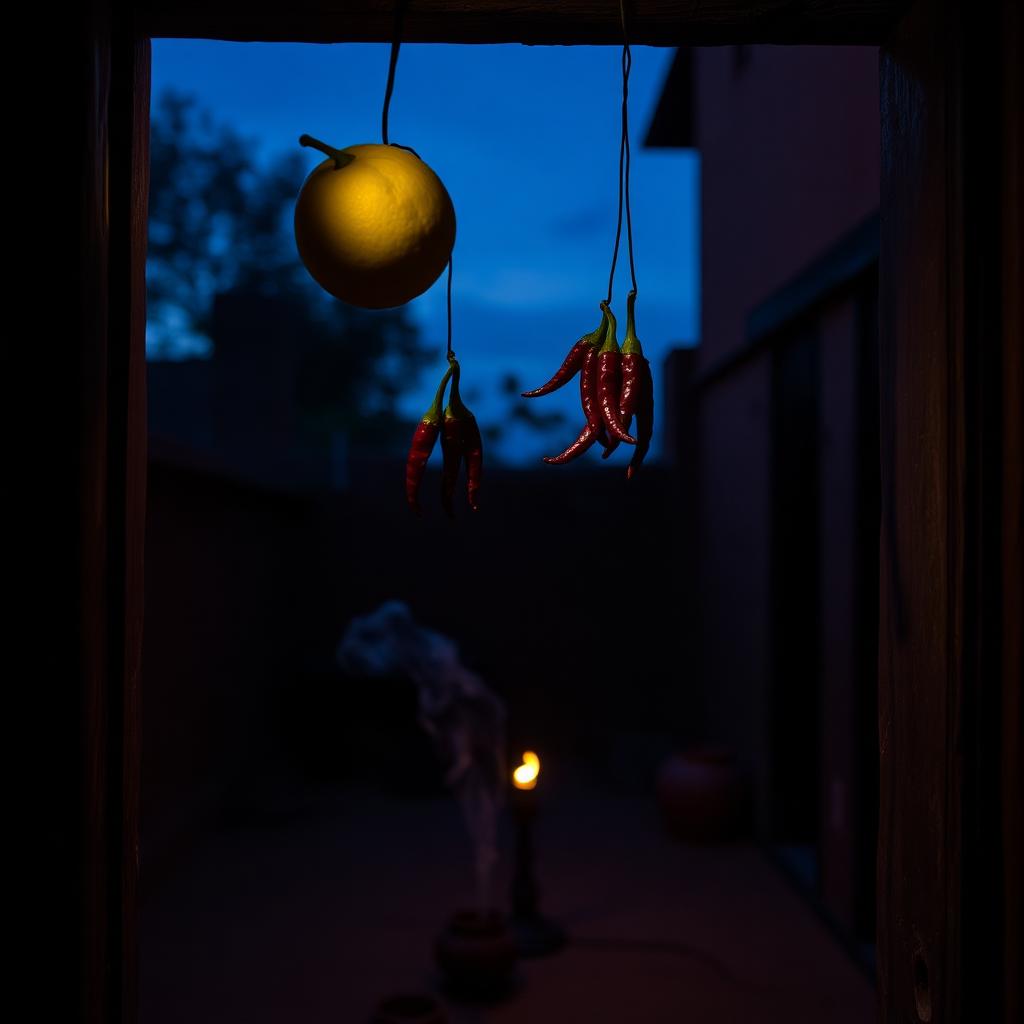
1. Nimbu-mirchi — the lemon and seven chillies
A fresh lemon and seven dried red chillies, threaded together on black cotton thread and hung on a doorway, shopfront or vehicle bumper. Replaced every Saturday — the old one is taken down and thrown at a road crossing, never inside the house. The stated purpose is to absorb the nazar (evil eye) of passers-by before it enters. Shopkeepers across north and west India still buy these in bulk on Friday evenings; the trade supports a small parallel economy of women who string them at lights.
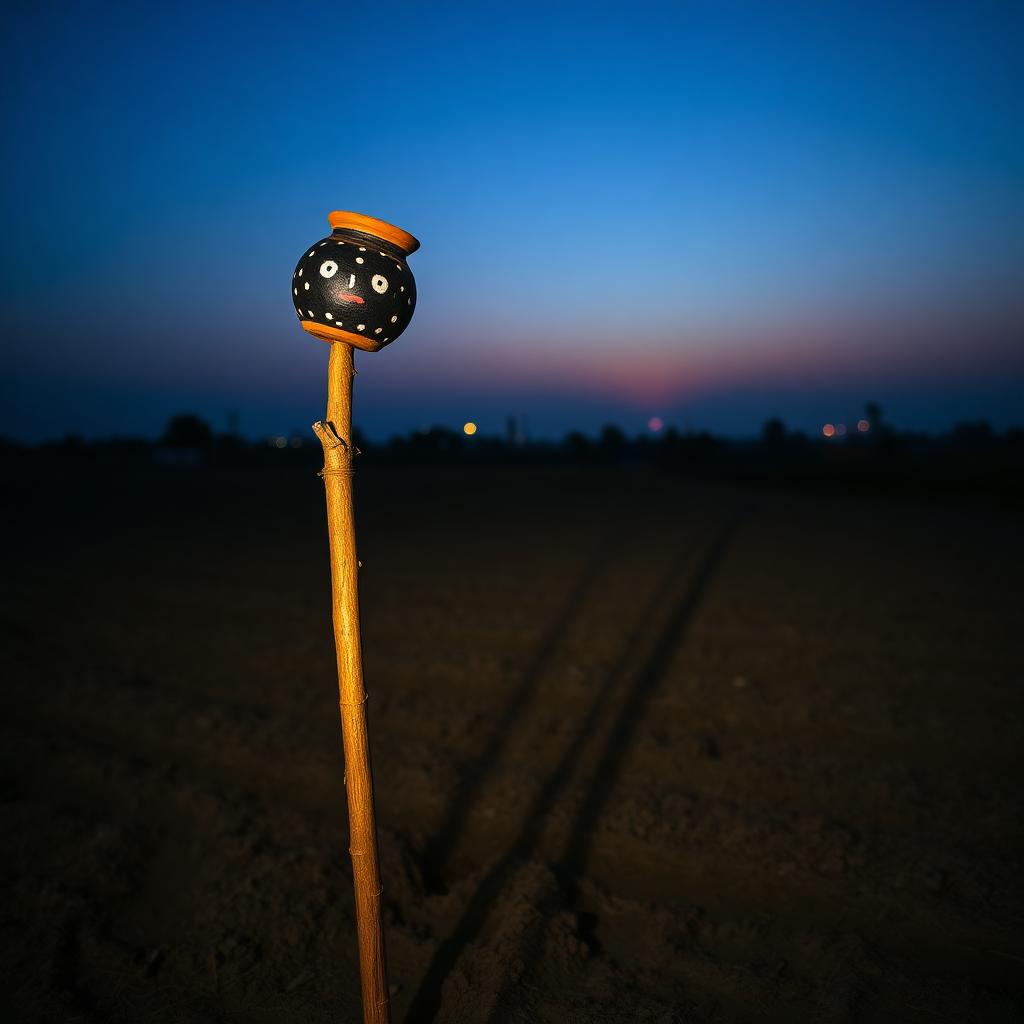
2. Dishti bommai — the painted pot on a pole
A small clay pot, painted black with white dots and a crude grimacing face, mounted on a tall bamboo pole at the boundary of a freshly planted field or above a half-built house. The face is meant to catch the gaze of an envious passer-by first; the crop or the construction is what the envy was aimed at. Common across Andhra Pradesh, Telangana and rural Tamil Nadu. Builders still ask for it before laying the first row of bricks.
3. The iron nail and the horseshoe at the lintel
A horseshoe — preferably one already used by a working animal, never bought new — nailed above the front door with an iron nail driven into the lintel itself. In several traditions, iron is held to be unreadable to spirits and to malefic planetary influence (Shani in particular). Mainly seen in rural North India and parts of the Deccan. The horseshoe is sometimes augmented with a small red kumkum handprint beside it on the wall, refreshed at Diwali.
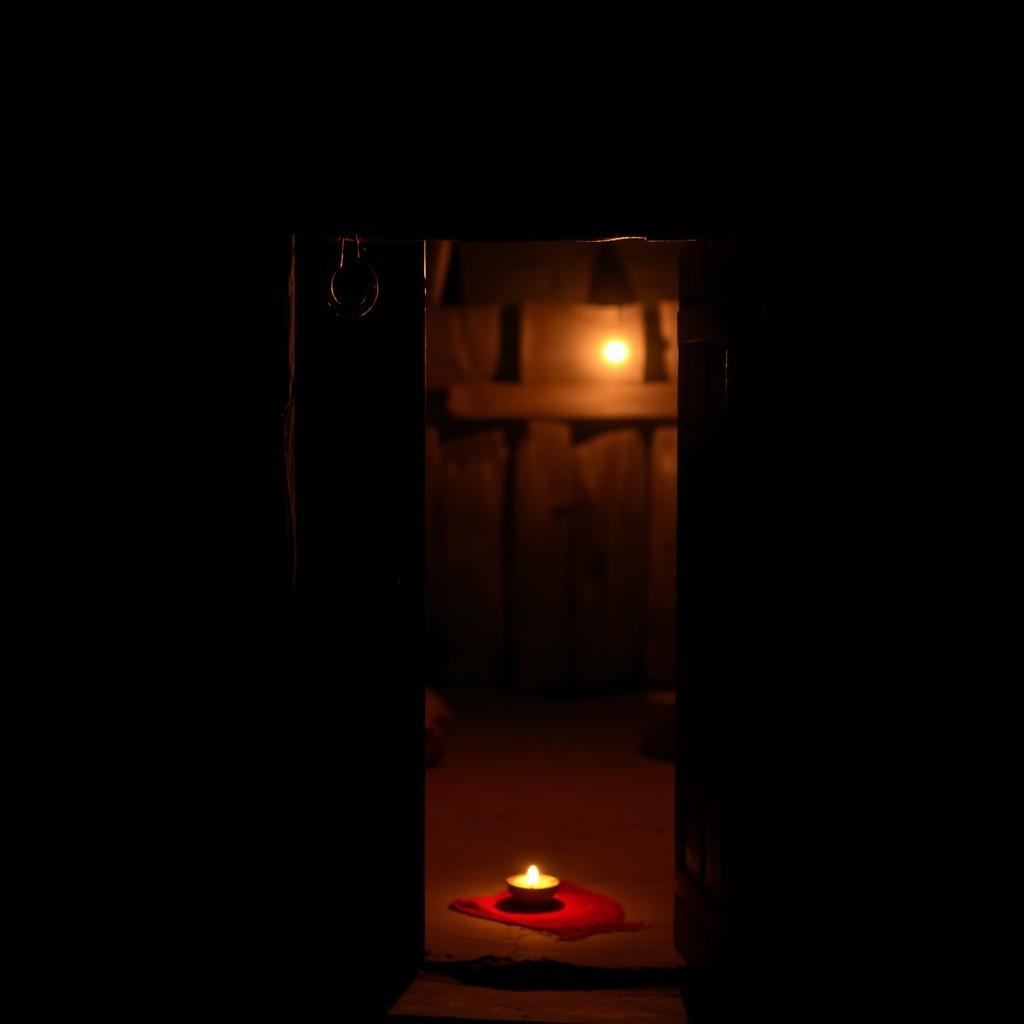
4. Kolam at the threshold — rice flour at dawn
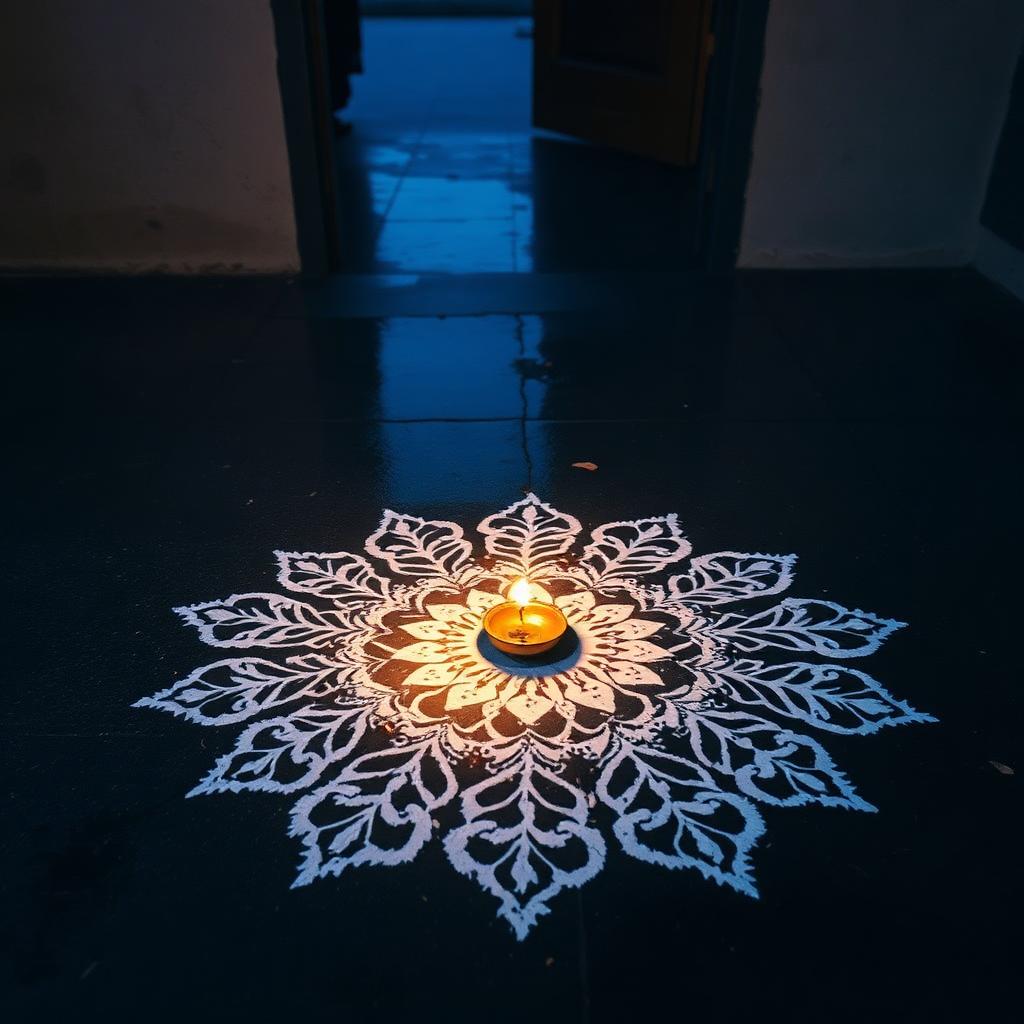
Each morning before sunrise, the woman of a Tamil or Karnataka household sweeps the front step, dampens it, and draws an intricate geometric pattern in rice flour from memory. The pattern feeds ants and small insects (an old stated reason — that the house begins the day by giving), and is also said to keep ill-disposed entities outside the threshold. The pattern wears away by evening and is redrawn the next dawn. The continuity is the protection — a missed day is noted.
5. Nazar utarna — the circling of camphor and chillies
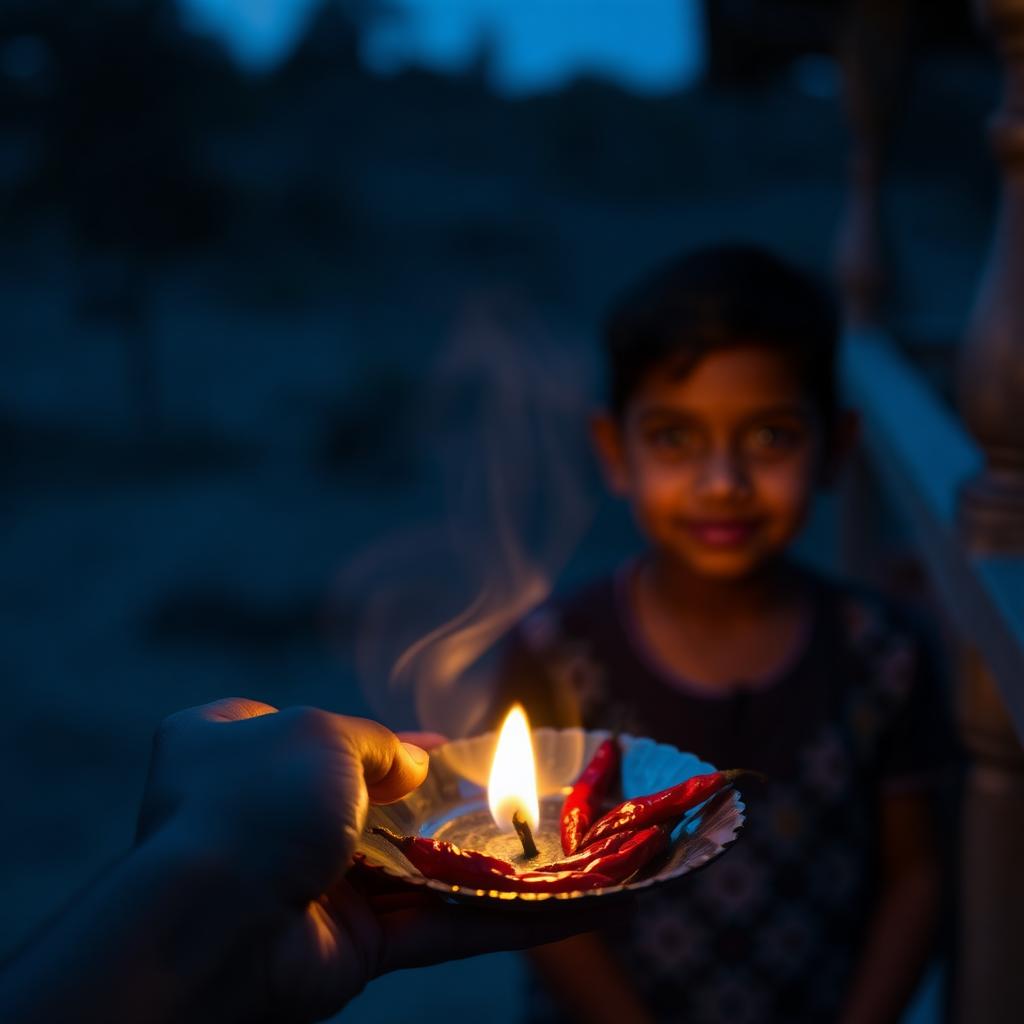
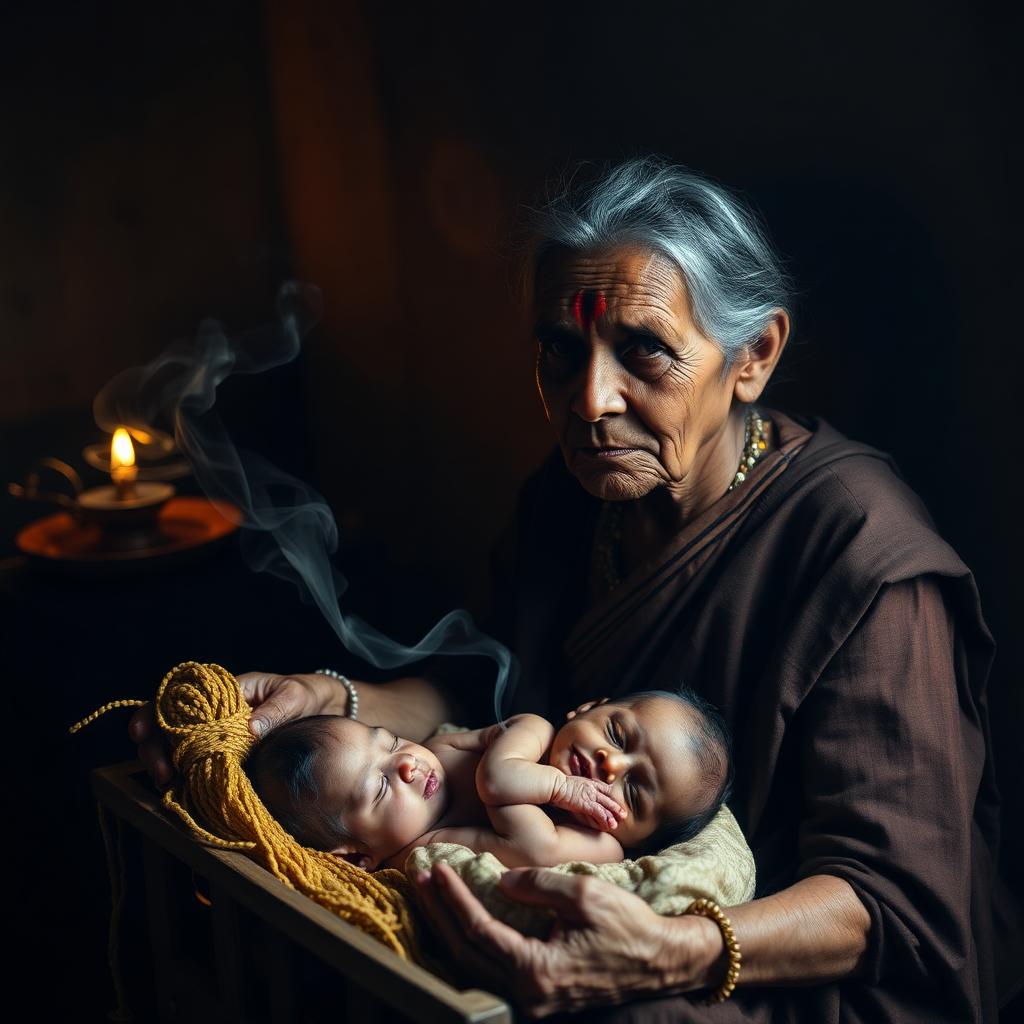
When an infant has been admired by a visitor and then begins to cry inconsolably, or refuse food, or run an unexplained low fever, an older woman in the household will circle a small plate of burning camphor and dried red chillies three or seven times around the child's head, anti-clockwise, then take the plate outside and burn the residue in the courtyard. If the chillies burn without their usual sharp smell, the nazar is held to have been heavy; if they smell strongly, light. A useful diagnostic from the woman's point of view; a self-fulfilling test from a chemist's.
II. Contact, Vow & Exorcism (6–10)
6. The mannat thread — a vow tied at a shrine
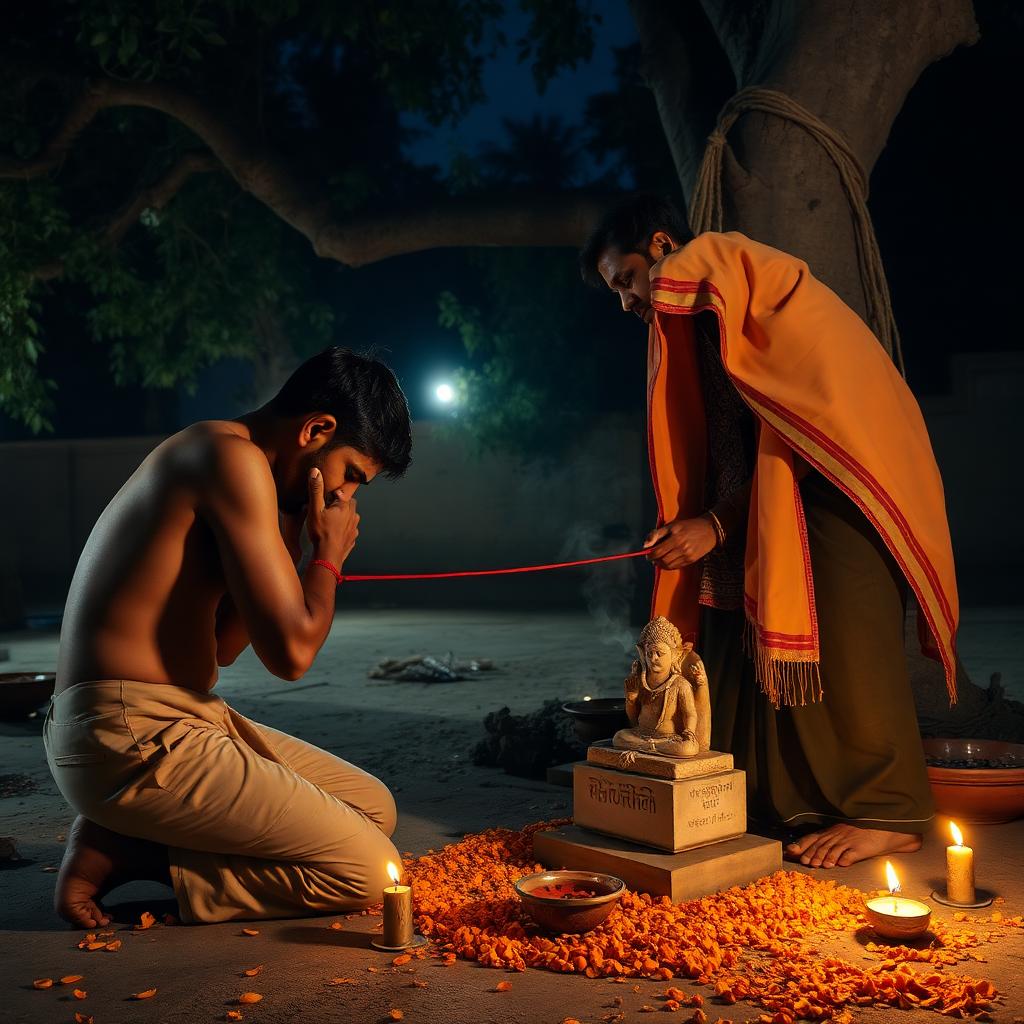
A devotee whose prayer has not yet been answered ties a thin red or yellow thread to the grille, branch or pillar at a shrine — Hindu, Sufi, Jain, even some Christian ones — with a specific wish attached. If the wish is granted, the devotee returns and unties the thread (or replaces it with a votive offering). Many old shrines are visibly furred with these threads. The honest observation is that the act of formally tying the thread externalises the wish in a way the petitioner can later inspect — a piece of folk cognitive therapy, working as designed.
7. Hazri at a dargah — the Thursday trance
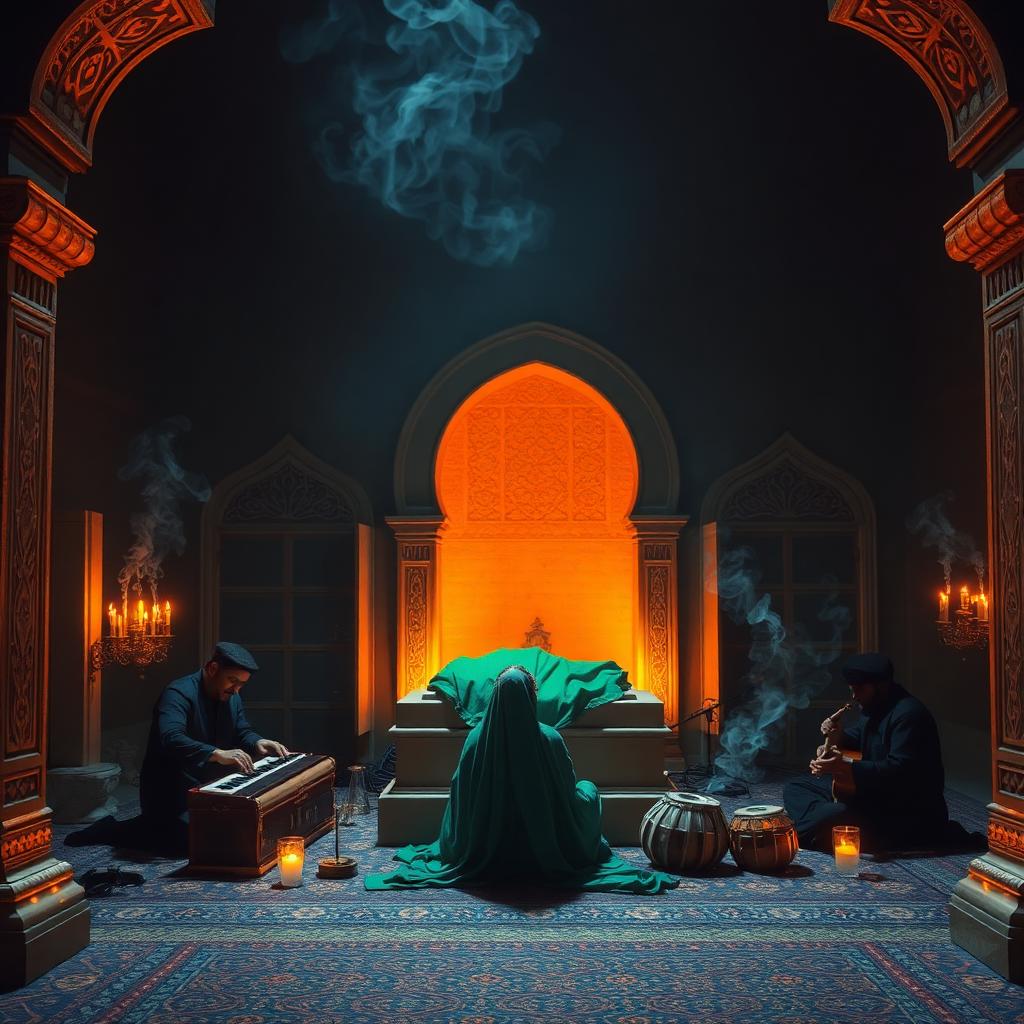
At several major Sufi dargahs — Mehrauli, Khwaja Garib Nawaz at Ajmer, Haji Malang outside Mumbai — Thursday evening qawwali sessions include a category of attendees in visible trance, often women, who are said to be 'in hazri' (presence). The state is sometimes self-induced, sometimes spontaneous, almost always time-bound to the music. Documented in the ethnographic literature (notably Joyce Flueckiger's work) as an institutionalised, socially safe channel for grievance that the petitioner cannot voice outside that room. Working as designed for centuries.
8. Jhaad-phoonk — the broom-and-blow exorcism
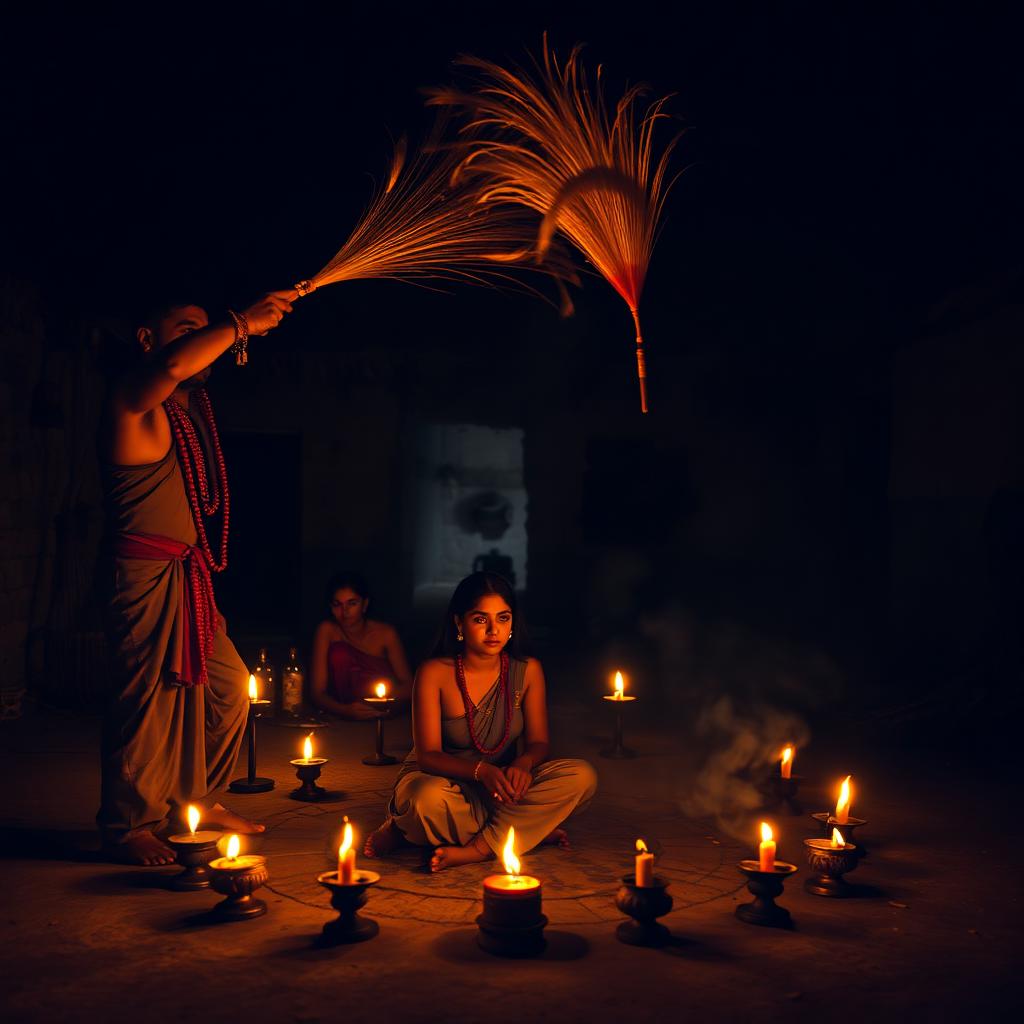
A village tantrik or ojha, called to a household where a member is said to be possessed, performs jhaad-phoonk: he waves a peacock-feather broom (jhaadu) over the affected person while reciting mantras and blowing (phoonk) at intervals, in a ring of oil lamps. Sometimes ash, lemon halves, or salt are used. Outcomes vary: in many of the cases that pass through our files the symptoms were already going to remit, and the ritual was the timer the family needed to permit themselves to relax. In a handful, the ritual itself causes harm and requires medical follow-up.
9. Theyyam — the god in the dancer
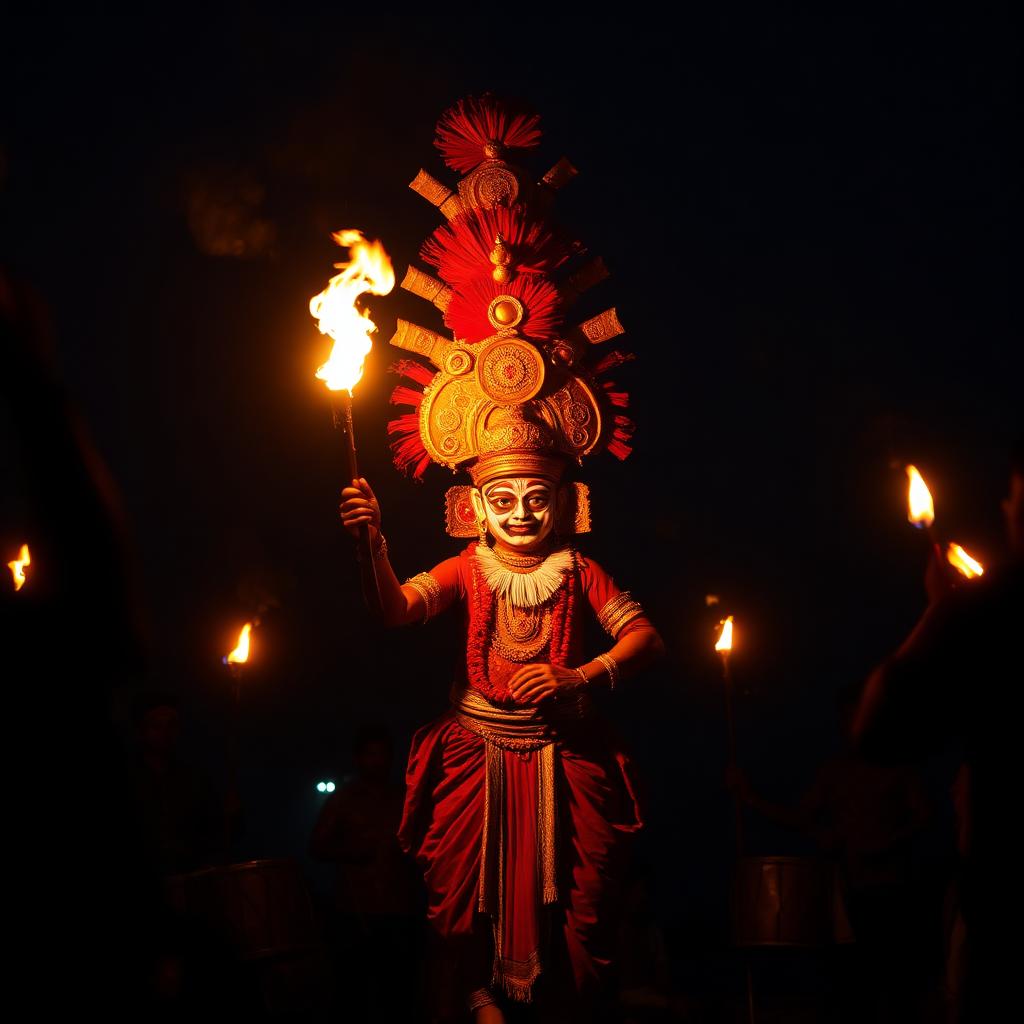
In northern Kerala, a Theyyam performer — usually from a specific caste lineage — undergoes hours of make-up, costuming and chant, and then enters a state in which the deity is held to inhabit him for the duration of the performance. Villagers consult the embodied deity directly, asking questions about marriages, illness, and disputes. The performer remembers nothing of the answers afterwards. This is not a hidden practice; it is a public, scheduled, photographed institution. It is also, structurally, the most striking surviving example of socially licensed possession in India.
10. Manasa puja — the snake goddess in monsoon
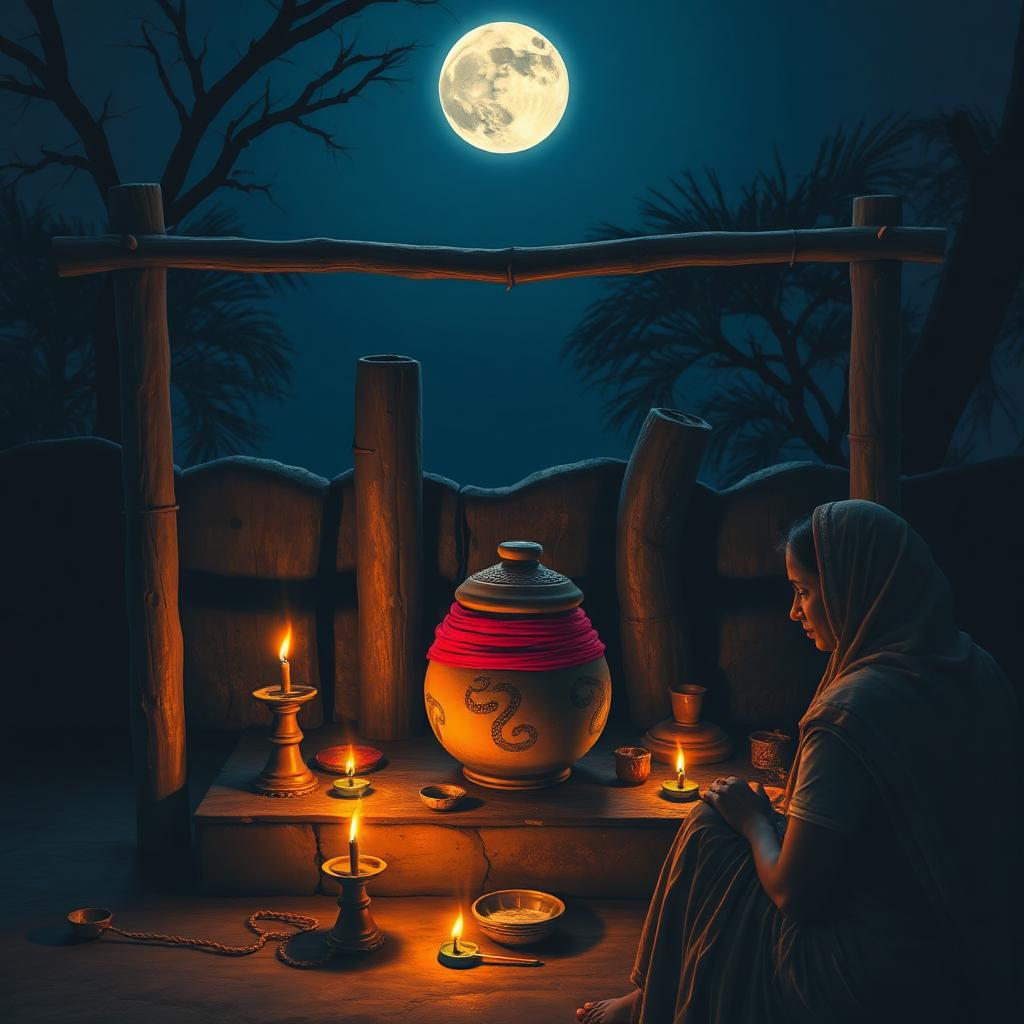
Across Bengal, Assam, Odisha and parts of Bihar, the snake goddess Manasa is propitiated through the monsoon — the season of snakebite. A clay pot wrapped in red cloth, etched with snake motifs, sits on the household altar; food, milk and sometimes a live snake's shed skin are offered. The boring overlap is that the propitiation period coincides almost exactly with the months in which agricultural workers are most exposed to kraits and cobras in flooded fields. The ritual encodes the danger calendar.
III. Death, Funerals & the Returning Dead (11–15)
11. The cremation circle and the broken pot
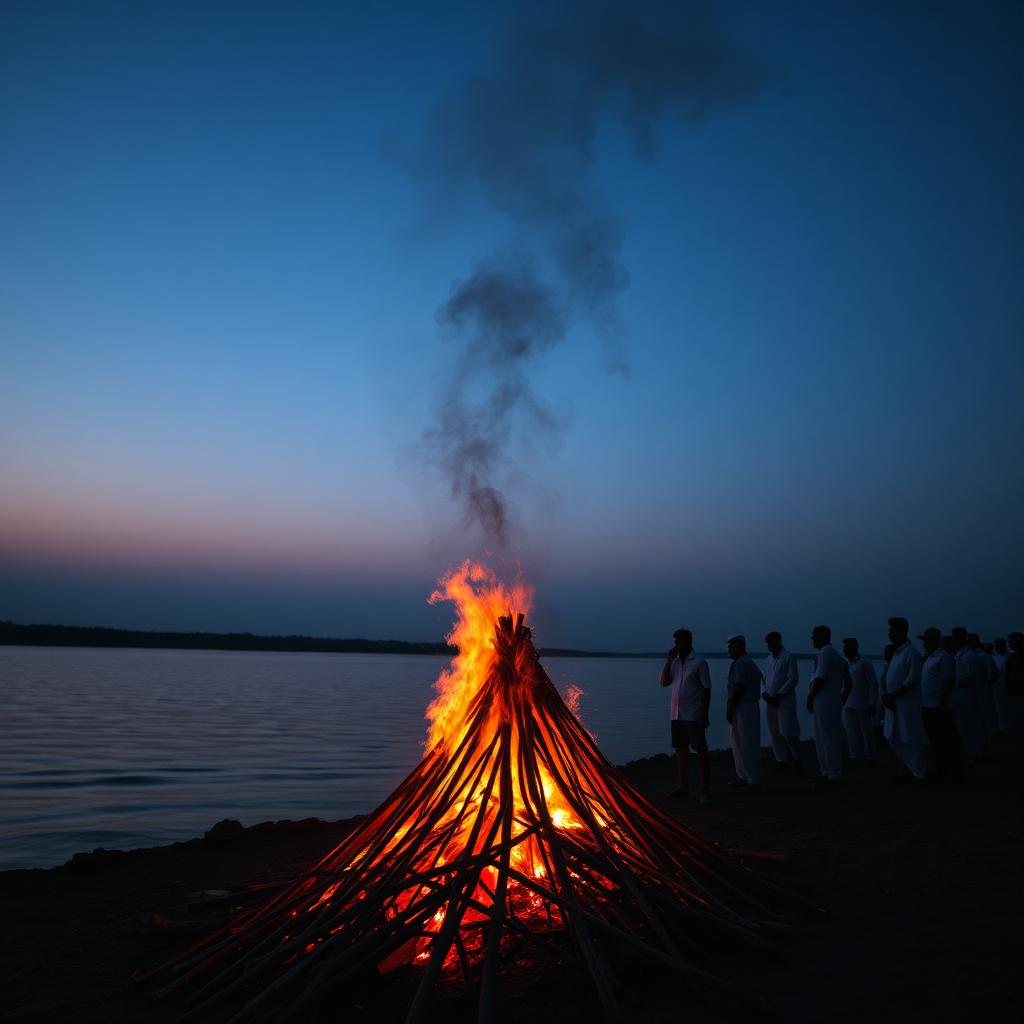
At the end of a Hindu cremation, the chief mourner — usually the eldest son — circles the pyre three times anti-clockwise carrying an earthen pot of water on his shoulder, lets the pot fall and break behind him, and walks away without looking back. The break severs the link; not looking back ensures the deceased's pret-spirit does not follow him home. Whether one believes in the pret or not, the gesture is a clean ritual marker of irreversibility, which the grieving mind needs in a form the body can perform.
12. The dripping pot above the cremation ground
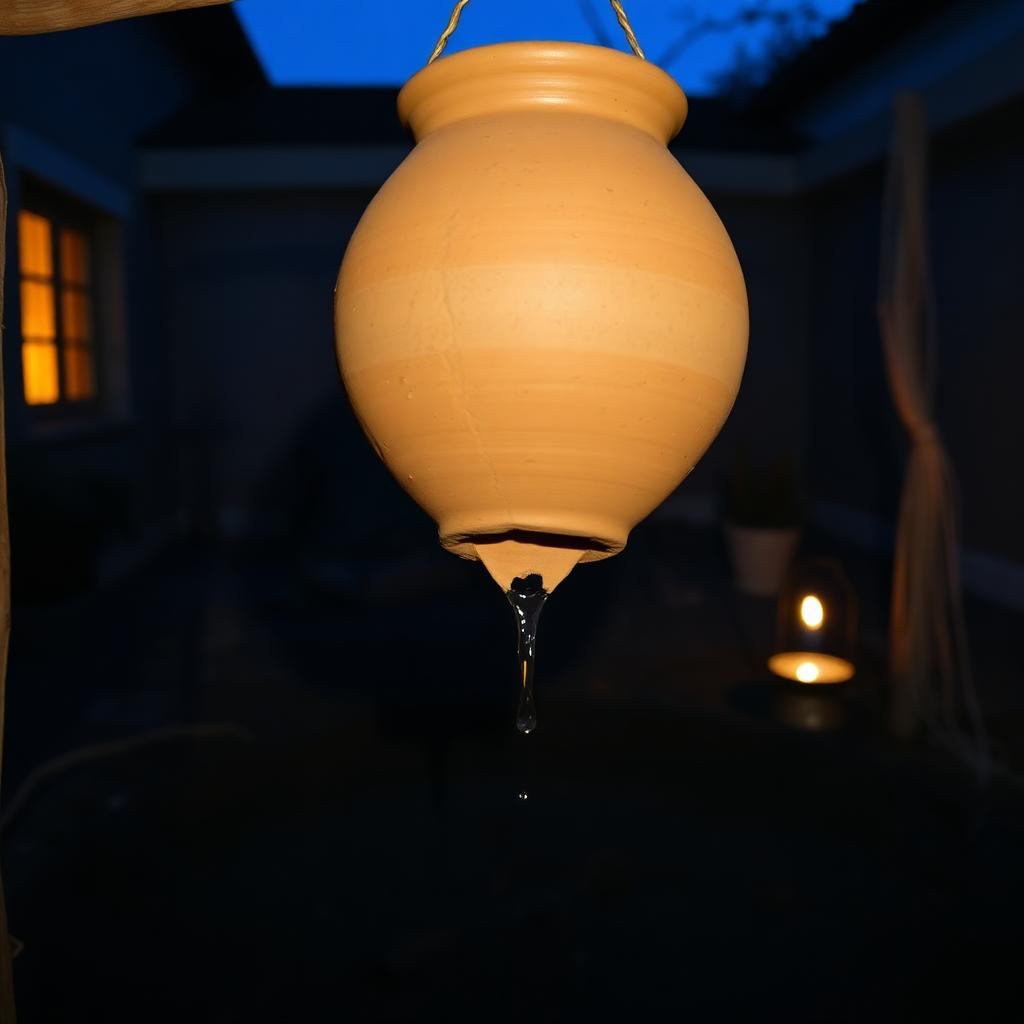
On the tenth, eleventh and twelfth days after a death, an earthen pot with a small hole punched in its base is hung from a wooden frame at the spot where the body was cremated, or above a freshly raked patch of earth in the family courtyard. Water drips out, slowly, over the days the soul is said to be in transit. The dripping is sustenance for the preta — the in-between state. The ritual ends when the pot empties, and the soul is held to have moved on. Across north India, still performed in tens of thousands of households a day.
13. Pind daan and the crow — the answer that decides whether the dead are at peace
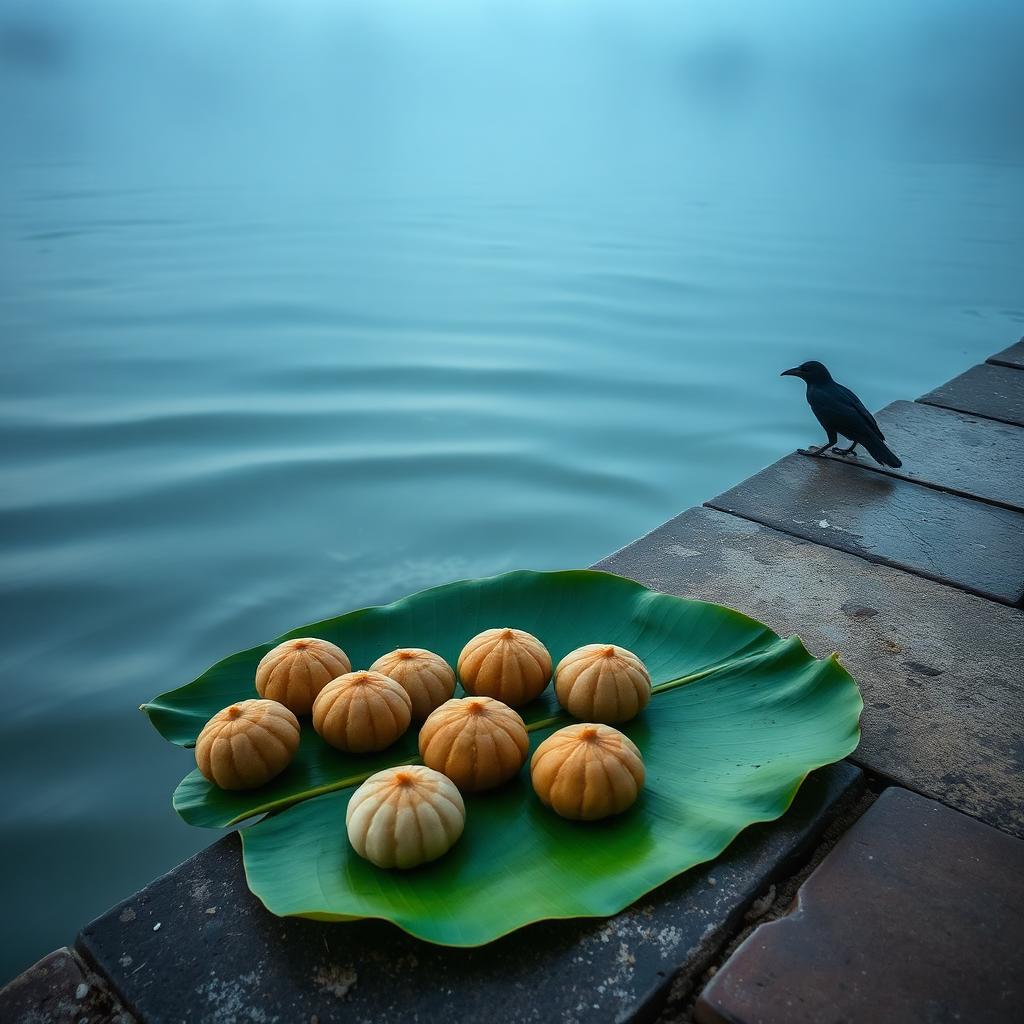
On the death anniversary, or during the Pitri Paksha fortnight in autumn, rice balls (pindas) mixed with sesame and ghee are offered on a banana leaf at the edge of a river ghat — most famously at Gaya, but also at thousands of smaller ghats. A crow is invited to eat them. If a crow comes and eats, the ancestor is held to be at peace; if no crow comes, an unresolved wish is held to be holding them back, and the family searches its conscience. Ornithologists will note that crows are reliably present at river ghats. The family will note that the day their crow did not come was also the day they remembered the will that had never been read.
14. The iron nail at the crossroads — pinning the returning dead
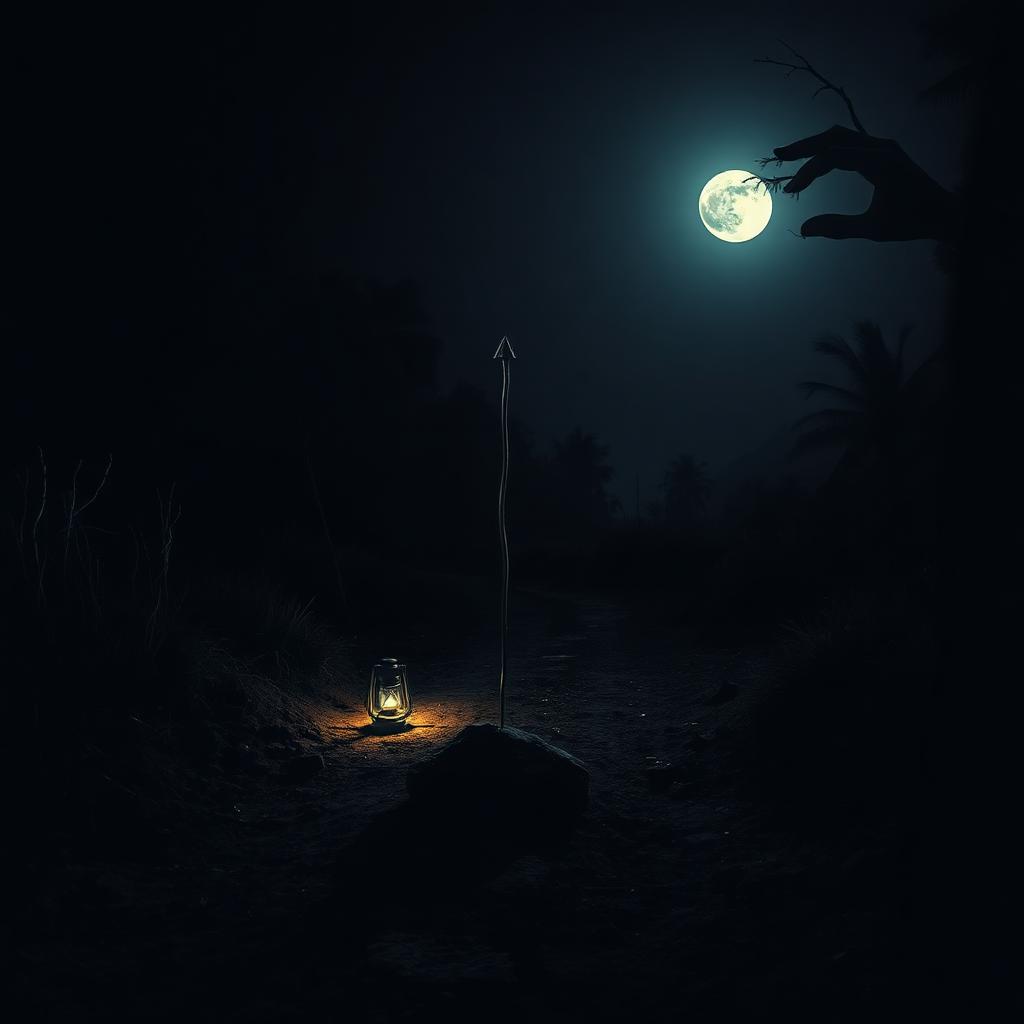
When a death has been violent, untimely, or otherwise held to risk producing a returning spirit (a bhut, churel, or pret), a village specialist may, on the night of the death, drive an iron nail into the earth at the four-road crossing nearest the cremation ground, sometimes with a small written or spoken instruction. The nail is held to pin the spirit at the crossroads so it cannot find its way home. Reported across northern, central and eastern India. Quietly. Never on demand.
15. Shraddha — feeding the ancestor on the day they died
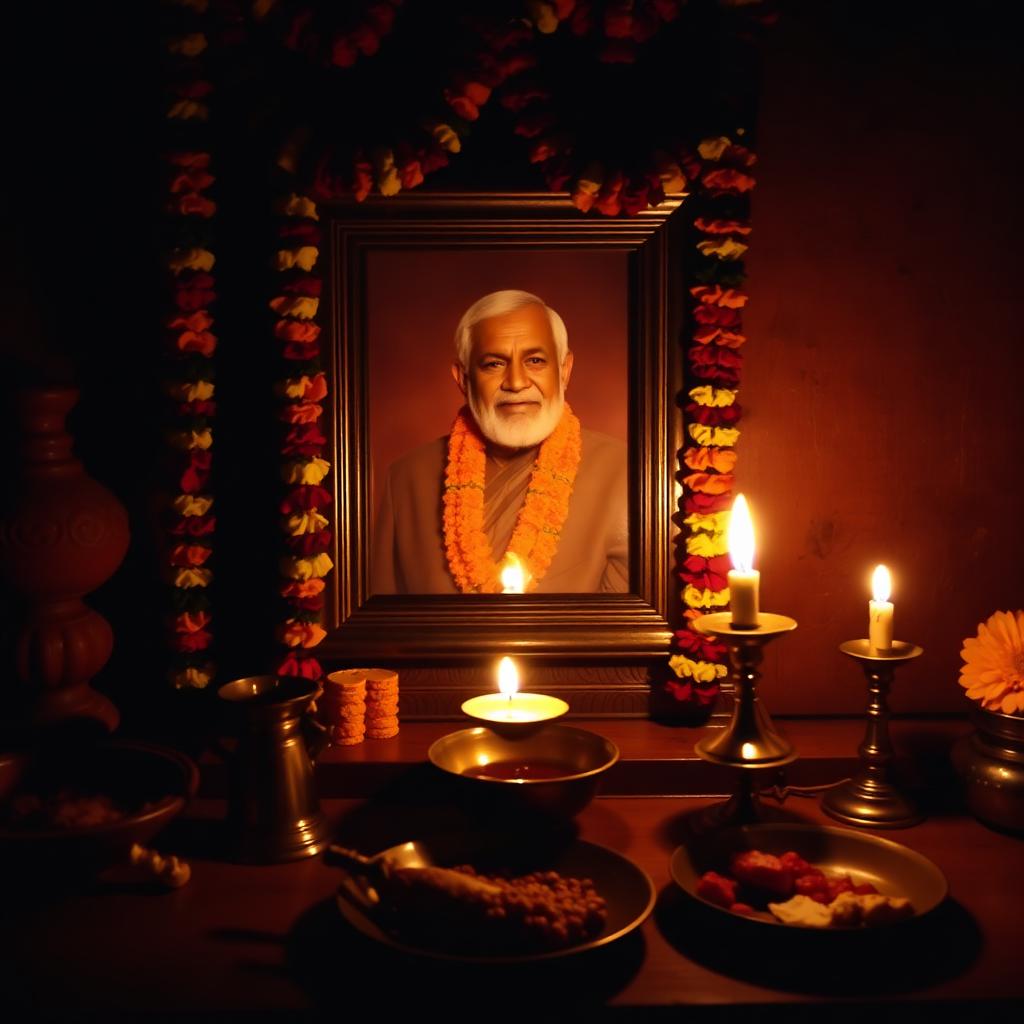
Once a year on the lunar anniversary of the death, a small plate of the deceased's favourite food is set before their framed photograph on the household altar, garlanded fresh that morning, with an oil lamp lit beside it. The family eats only after the food has been formally offered, and the leftover is given to a cow or a crow. The practice survives in households that have otherwise given up almost every other ritual. The day is, in effect, the family's privately-held memorial day, performed in the language the household speaks.
IV. Divination & Counter-Witchcraft (16–20)
16. Akshat — reading the scattered rice
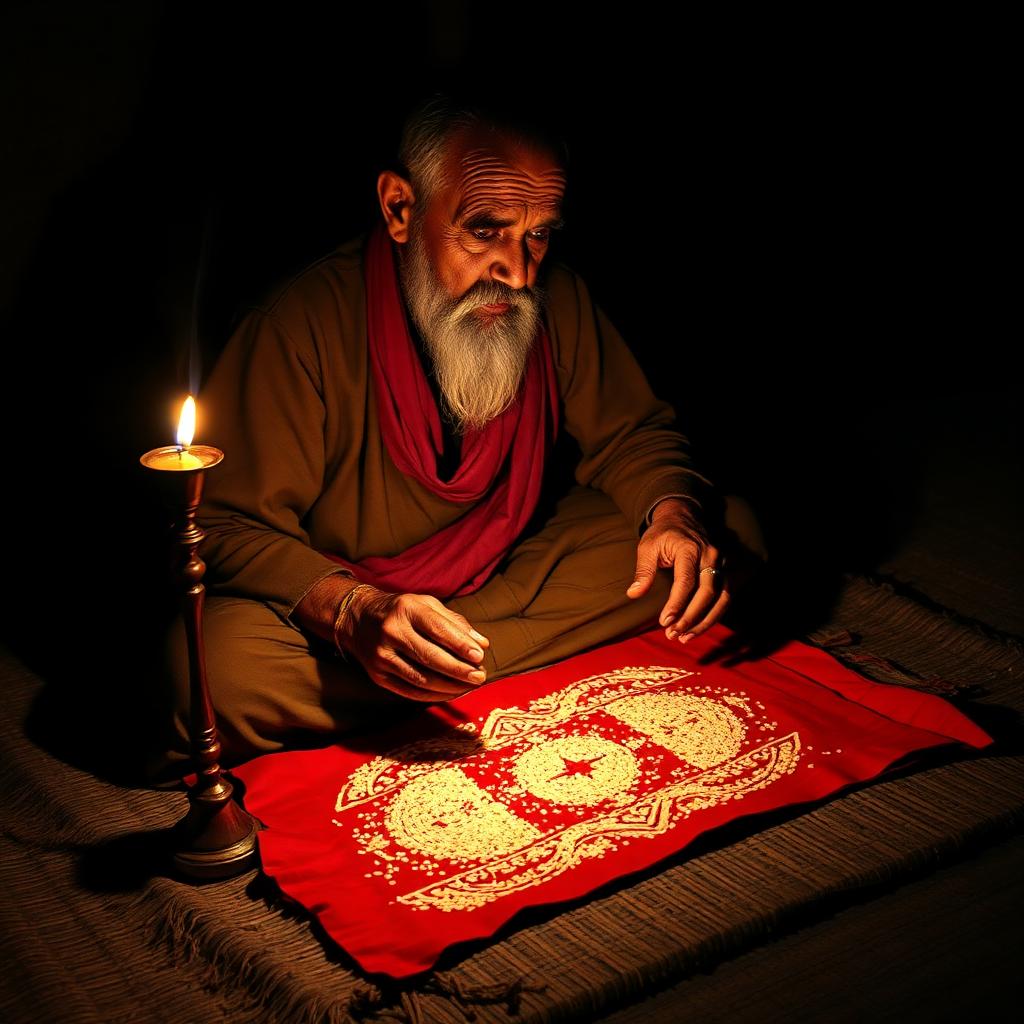
A village diviner — sometimes called a jhokha, sometimes simply 'the one who reads' — scatters a handful of uncooked rice grains on a square of red cloth, and reads the clusters, gaps and overlaps to answer the question the visitor brought. Most often the question is about a missing person, a delayed marriage, or an illness whose cause the family cannot name. The work the reading does is to help the family think the question out loud; the rice is the pretext. Some readers are observably skilled at this; some are observably exploiting it.
17. The pendulum — yes-or-no over the open palm
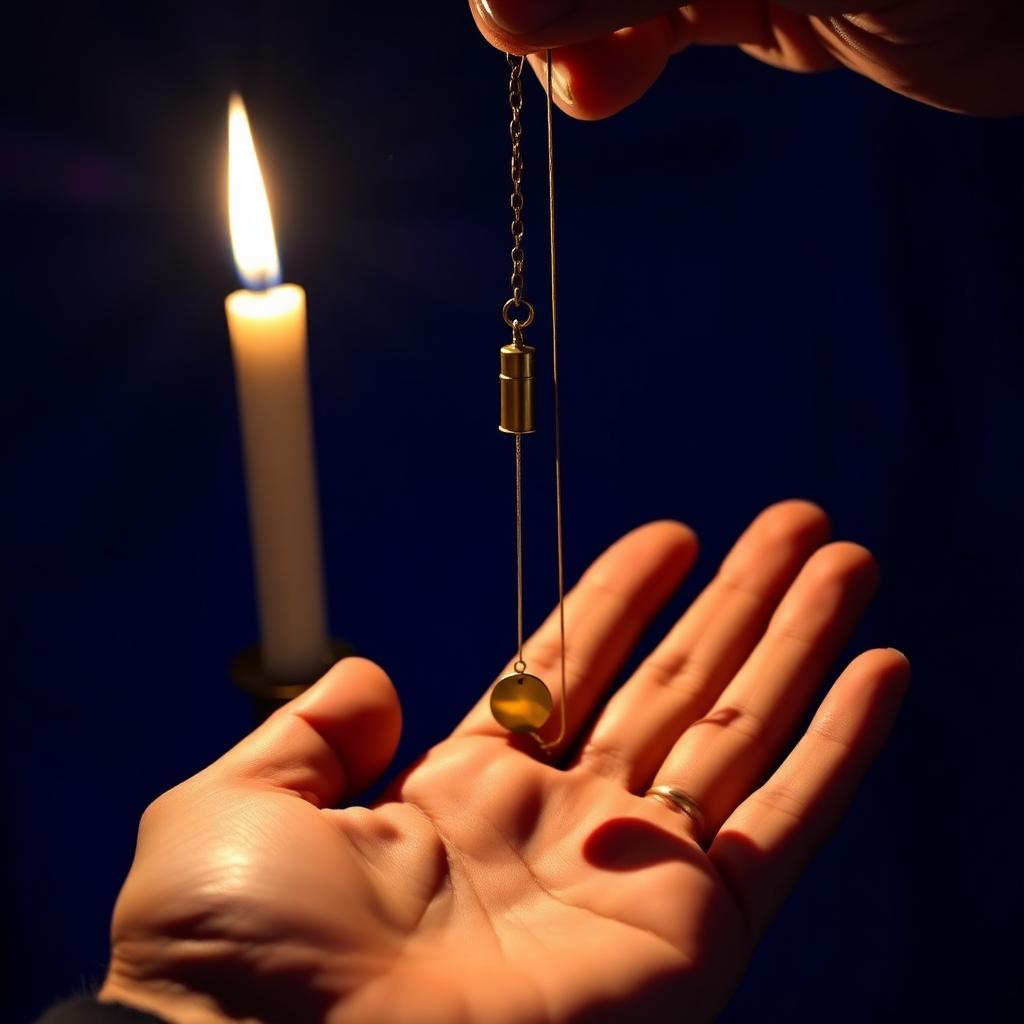
A small weight — a brass pendant, a ring on a thread, in some lineages a piece of bone — is suspended by a chain over the open palm of the questioner. The diviner asks a yes/no question; the pendulum is allowed to swing freely; the direction of the swing is the answer. This is the ideomotor effect, well established in the psychology literature: the diviner's own hand makes the micro-movements that produce the swing, below their awareness. Which does not make the answers useless — the diviner is, in effect, reading their own intuition about the question through the proxy of the pendulum.
18. Bali — the goat at the village goddess's stone
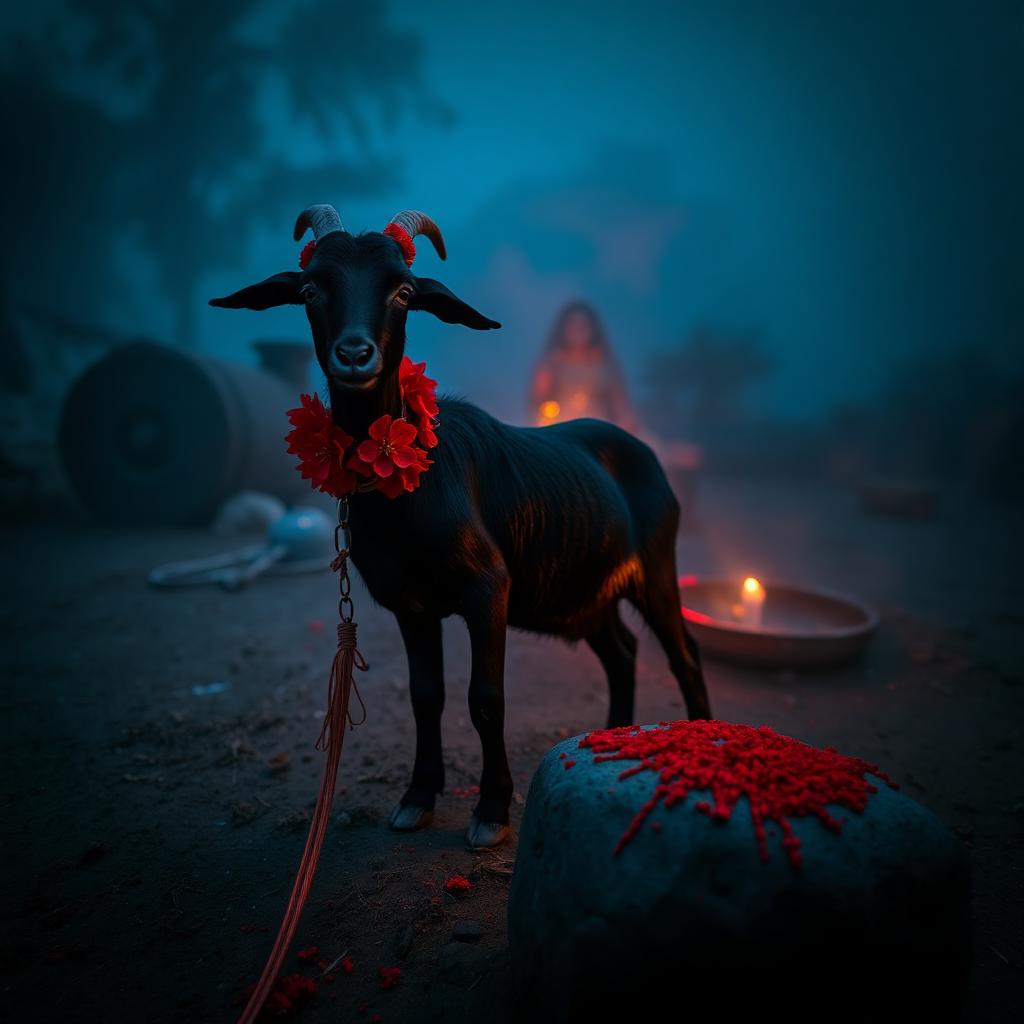
At certain village goddess shrines — particularly the gram devatas of southern and eastern India — a black goat is occasionally offered, usually at dawn on a specified festival or to fulfil a vow. The animal is garlanded with red hibiscus, kumkum is smeared on the stone, and the act is performed by a designated officiant of the lineage. The practice is in slow decline under legal and social pressure, but is not extinct. Whatever one's view of the practice, recording its persistence honestly is part of the work; pretending it has ended is not.
19. The pinned doll at the crossroads — counter-witchcraft
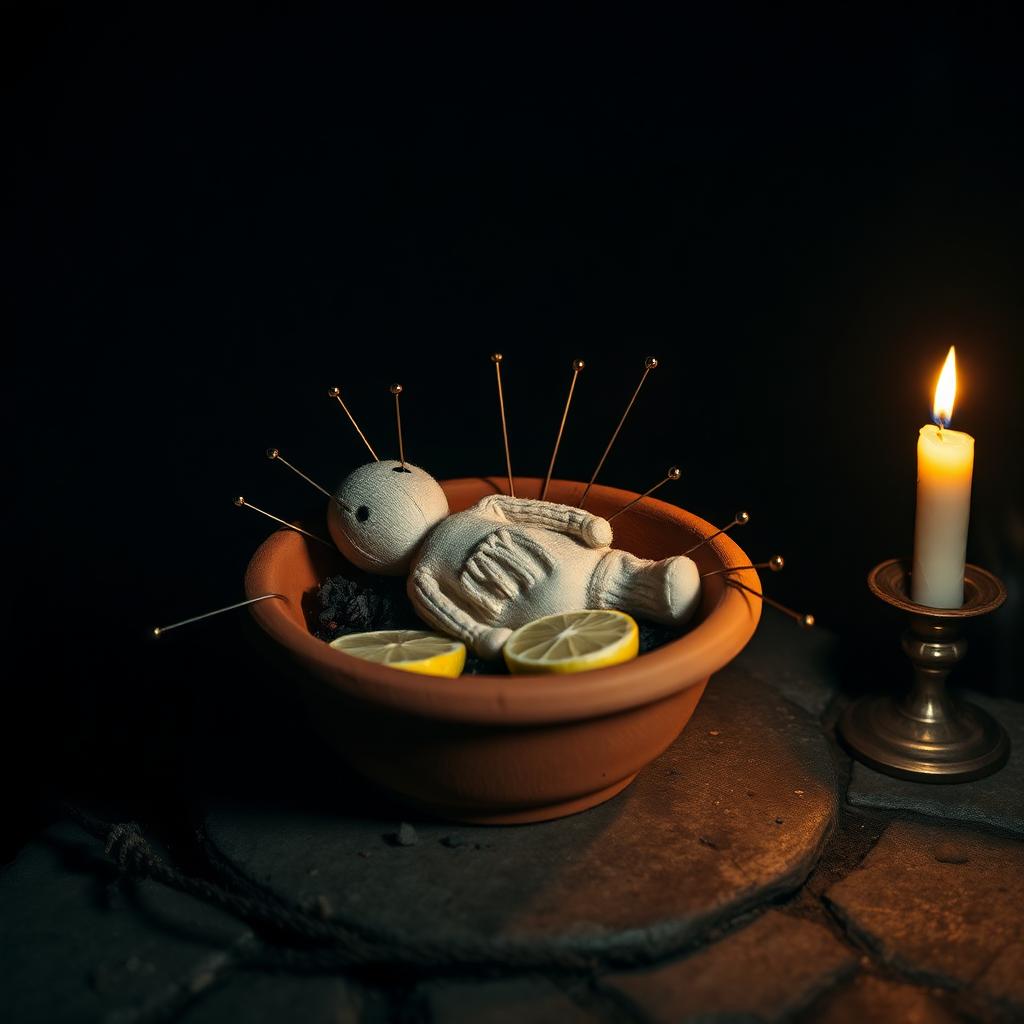
A small handmade cloth or wax doll, stuck with iron pins, placed inside a clay bowl with ash and lemon halves, and left at a four-road crossing on a moonless night. The intention varies — some practitioners describe it as offensive (a strike against a named enemy), others as defensive (a return-to-sender placed under instruction). The practice is openly disavowed by most religious authorities and is rarely discussed by those who do it. Anthropologically documented; ethically the most difficult of the twenty, which is why we have placed it last in this section and not first.
20. Nazar utarna for the newborn — smoke of neem and mustard
On the seventh, ninth or fortieth day after a birth — the day varies by region — an older woman in the household waves a smoking bundle of dried neem leaves and black mustard seeds around the infant's cradle, anti-clockwise. The smoke is held to seal the child against the eye and the unseen. Neem smoke is also, separately, an effective traditional insect repellent in mosquito-heavy summers; mustard pops audibly when it heats. The ritual delivers a working insecticide and an audible marker that the protection has been performed, which is more than most rituals deliver in a single act.
What the Twenty Have in Common
Read across the twenty, three patterns repeat. First, almost every ritual has a boring overlap that does real work — neem smoke really does repel insects, kolam really does feed ants, the cremation circle really does mark irreversibility, the dripping pot really does fill the days a grieving family needs to mark. Second, the rituals are almost all performed by one or two people, on a specific day or night, with materials a household already has — not by institutions, not for cameras. Third, the practitioners themselves are often the first to point out the boring overlap; the assumption that they 'really believe' in a literal supernatural agency is, in our experience, more often the outsider's projection than the practitioner's claim.
We are not in the business of confirming or denying the supernatural account of any of these. We are in the business of recording them in the form they are actually performed, by the people who actually perform them, with the respect their continuity has earned over the centuries. Belief is data. So is the care people take when they handle it.