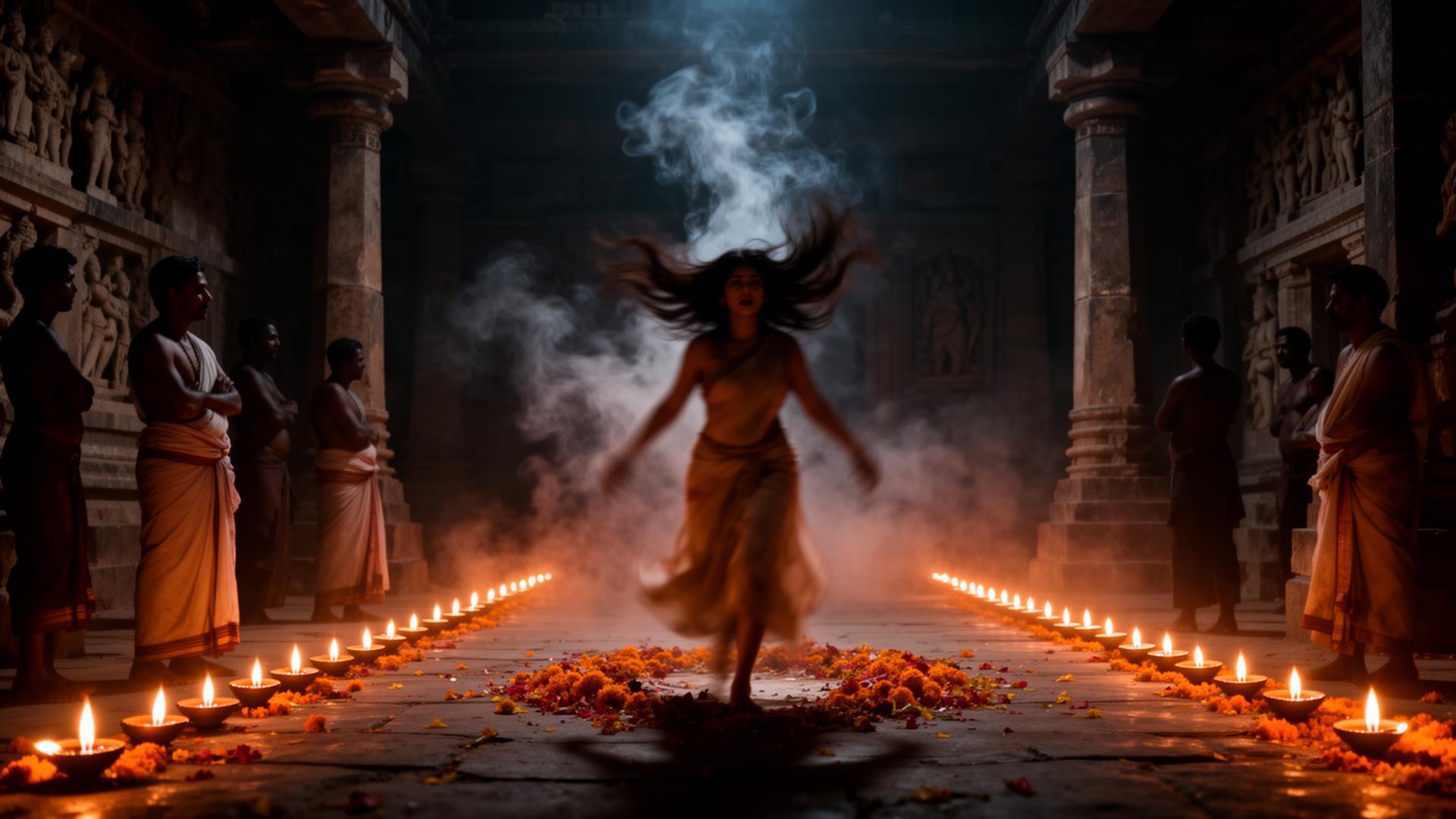
Across five decades of Indian psychiatric, anthropological and field records, the same case shapes recur — a teenage girl who begins speaking in a voice that is not hers, a young man pinned to a temple floor at a particular festival, a grandmother whose seizures arrive only when a specific relative visits. The fifteen entries below are drawn from those recurring shapes. Names, villages and family details are withheld; ages, decades, regions and clinical outcomes are kept.
Each case is presented the way a working file is presented — the presentation first, then the second look. The second look is the part that matters. About two-thirds of these cases resolved cleanly into a medical, neurological or social explanation. A handful did not, and are recorded that way because the alternative is to lie.
I. How We Read a Possession Case
The four questions on the intake form
Before any case earns the label, four questions get asked in order: who in the household first named it as possession, what changed in the affected person's life in the six weeks before onset, what medication or substance is in the system, and what relief — religious, financial, or social — does the possession state currently provide. The order matters. Three of the four questions will usually answer the case before a single instrument comes out of the bag.
What 'ruling out' actually means
Ruling out is not the same as dismissing. A case ruled out as temporal-lobe epilepsy is still a real episode, still a real person, still a real fear in the household — it just has a name that responds to carbamazepine. The work is to find that name when it exists, and to be honest when it does not. The fifteen cases below are grouped by what the second look returned.
II. Cases 1–5 — The Medical Mimics
Case 1 — The schoolgirl in coastal Karnataka (2014)
Fifteen-year-old, sudden onset of trance states at school, voice reported as 'a man's voice', episodes lasting eight to twelve minutes. EEG returned focal temporal-lobe activity consistent with complex partial seizures. The 'voice' was vocal automatism, a known seizure phenomenon. Resolved on anti-epileptic medication within four months. Family continued to attribute the cure to a parallel ritual.
Case 2 — The young bride in rural Bihar (2008)
Twenty-one-year-old, married three weeks, episodes of stiffening and 'speaking with the voice of her dead aunt' confined to her marital home. Symptoms vanished entirely during a one-week visit to her parents. Diagnosis: dissociative identity reaction with a clear environmental trigger (a coercive marital household). The 'possession' was the only socially permissible language she had for refusal.
Case 3 — The labourer in Uttar Pradesh (1997)
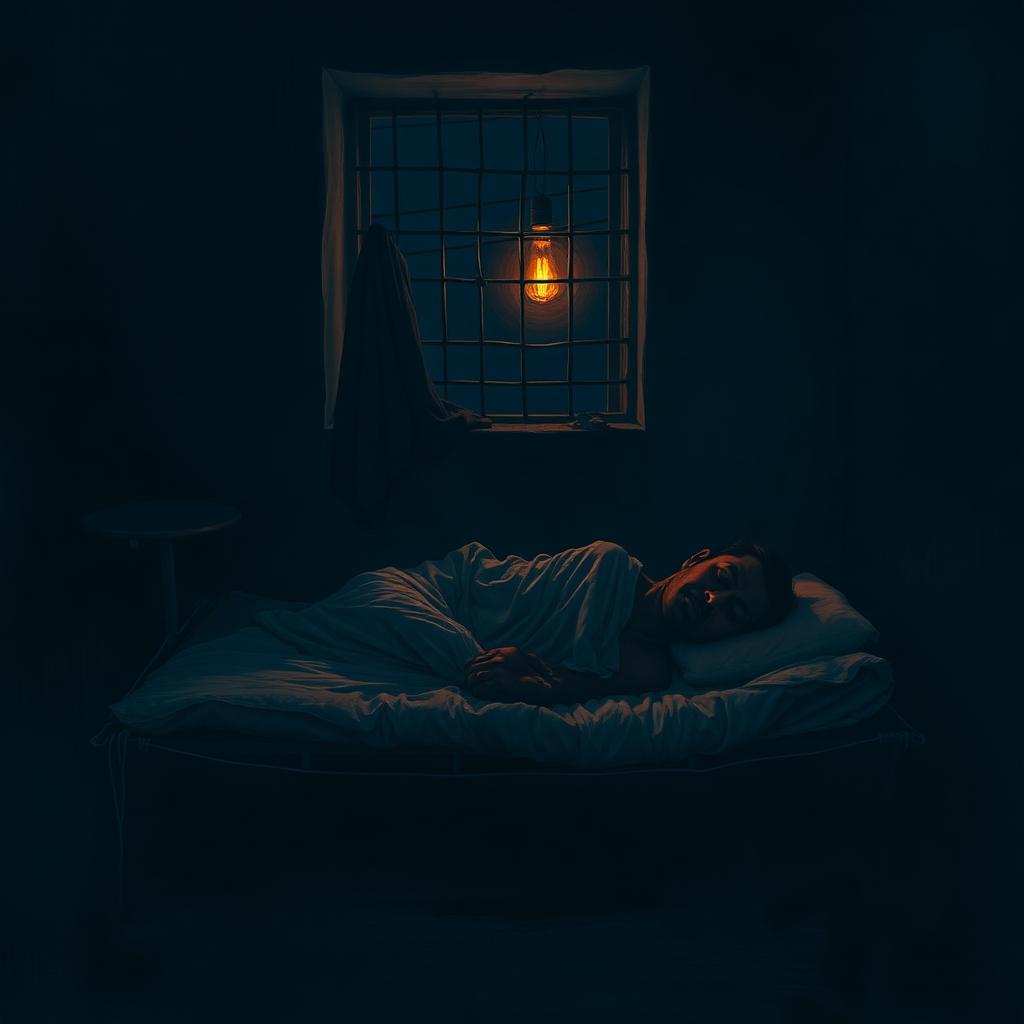
Forty-two-year-old male, nocturnal episodes of agitation, hallucinations of a female figure on his chest, partial paralysis. Sleep study returned classic REM-atonia sleep paralysis with hypnopompic hallucinations, exacerbated by undiagnosed obstructive sleep apnoea. CPAP and shift-change resolved the episodes inside six weeks.
Case 4 — The college student in Pune (2019)
Nineteen-year-old, sudden personality shift, grandiose speech, claims of being inhabited by a Mughal-era prince, three days without sleep. Presentation consistent with first-episode mania. Lithium-responsive. The 'possession' resolved as the mood state did; the student now manages a stable bipolar diagnosis.
Case 5 — The grandmother in Tamil Nadu (1989)
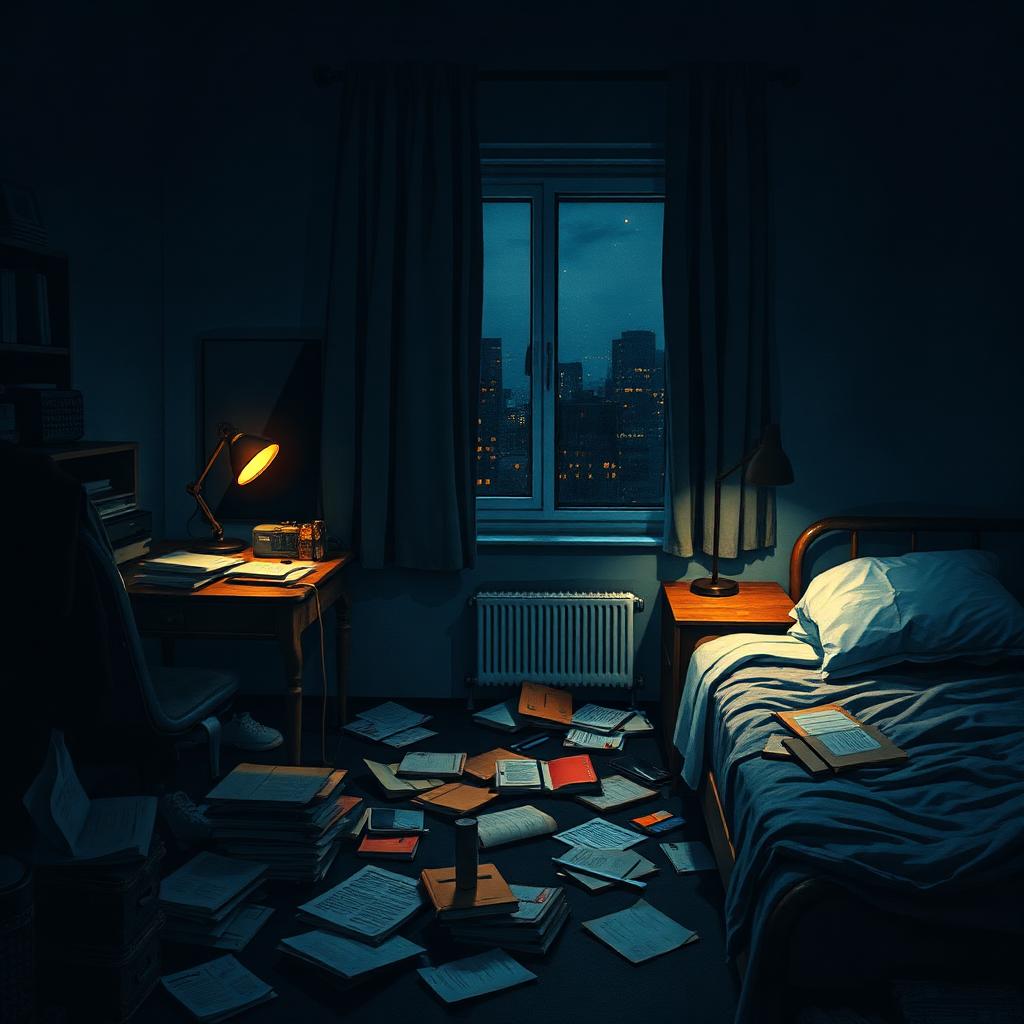
Sixty-eight-year-old, episodes of disorientation, 'speaking in tongues', loss of awareness of family members. Workup revealed severe B12 deficiency and early dementia. The 'tongues' were aphasic word-salad. Supplementation and early cognitive care reduced the episodes; the dementia continued its own course.
III. Cases 6–10 — The Social-Contagion Patterns
Case 6 — The schoolroom outbreak in West Bengal (2003)
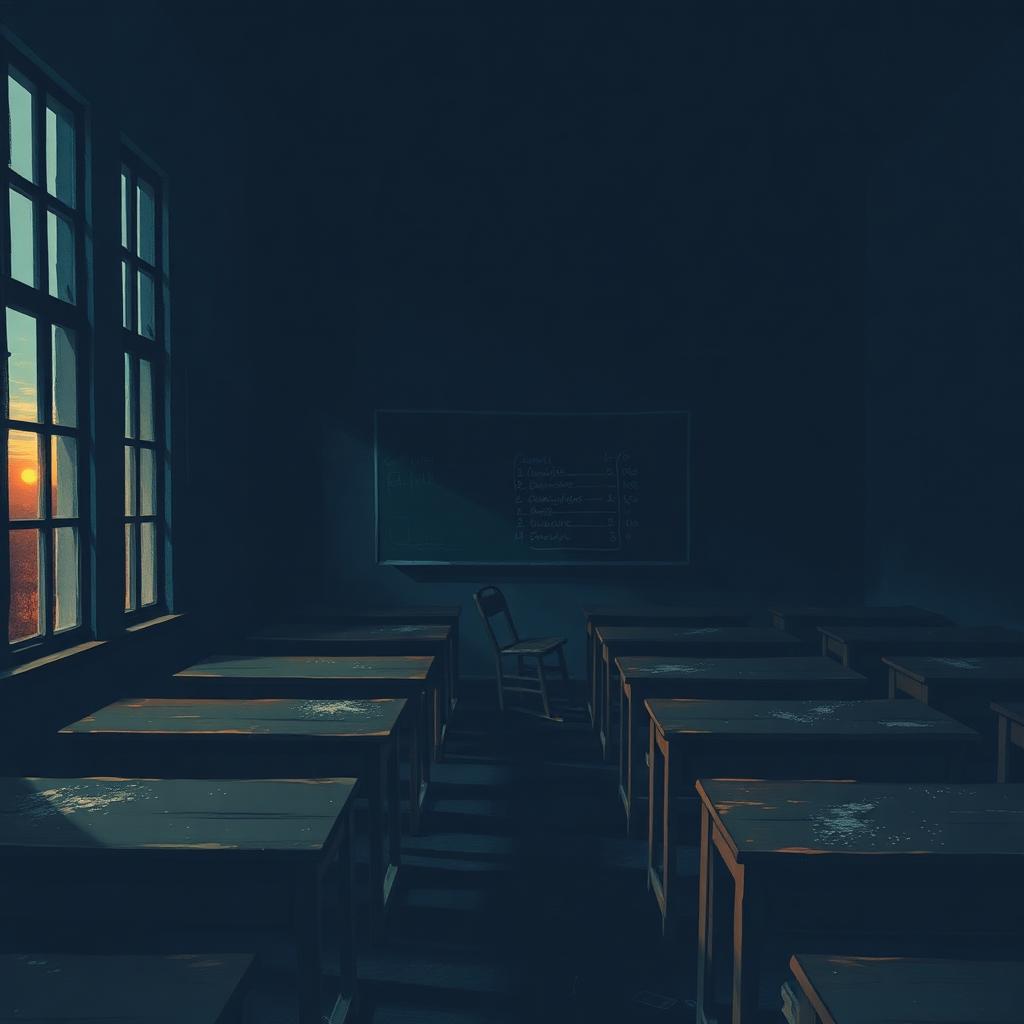
Forty-one girls, single residential school, ages twelve to fifteen, sequential onset of trance states across nine days. The first affected student was a known social anchor; the propagation followed her friendship network with high fidelity. Classic mass psychogenic illness, well documented in school settings across the world. Resolved on dispersal during winter break and a quiet change of warden.
Case 7 — The dormitory cluster in Kerala (2011)
Seven nursing trainees, shared hostel room, sleep paralysis episodes reported in sequence over three weeks, attributed to a 'figure' said to walk the corridor at 3 AM. Investigation showed shared sleep deprivation, identical shift patterns, and a single shared horror film viewed the week before onset. Symptoms ended on rotation change.
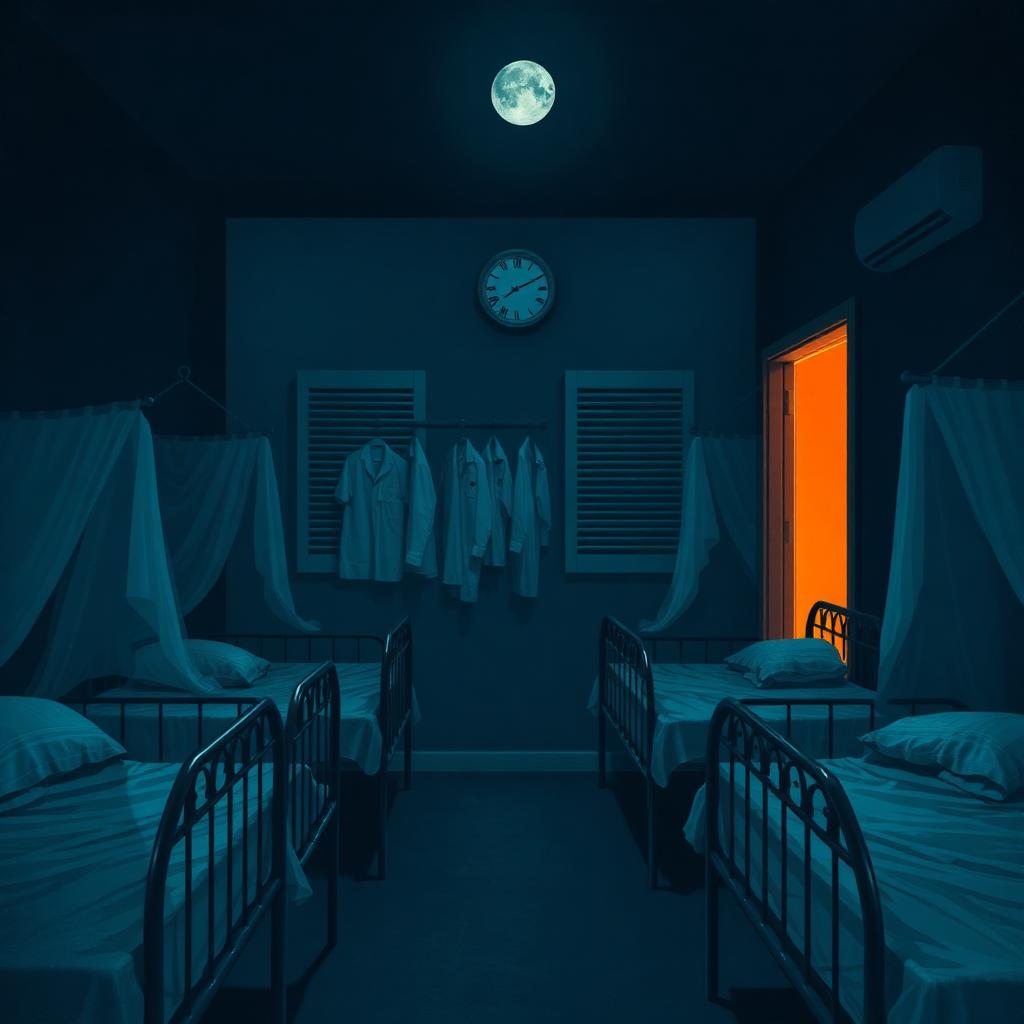
Case 8 — The grief case in Maharashtra (2016)
Thirty-four-year-old widow, onset of 'possession by the husband' six weeks after his sudden death. The episodes allowed her to express anger at his unfinished affairs that village convention would not permit her to express directly. Bereavement counselling and a structured ritual closure shortened the episodes; they ceased within nine months.
Case 9 — The dargah-mediated case in Hyderabad (1994)
Twenty-six-year-old female, weekly attendance at a Sufi dargah, trance states only during the Thursday qawwali. Ethnographic literature on the same dargah documents this as an institutionalised therapeutic possession — a permitted, time-bound, socially safe channel for grievance. The 'possession' was performing a recognised social function and was not, in this context, a disorder.
Case 10 — The family-system case in Rajasthan (2007)
Seventeen-year-old, episodes timed exclusively to the visiting weeks of a particular paternal uncle. Subsequent disclosure revealed sustained abuse by that uncle since childhood. The 'possession' was the only mechanism the family system permitted to register the harm. Removal of the uncle ended the episodes within a fortnight.
IV. Cases 11–15 — The Ones That Did Not Resolve Cleanly
Case 11 — The boy in eastern Madhya Pradesh (1986)
Eleven-year-old, sustained episodes of speaking in a regional dialect his family insisted he had no exposure to. Subsequent linguistic analysis confirmed the dialect was real and from a district sixty kilometres away. Possibilities not ruled out: cryptomnesia (forgotten early exposure), an undisclosed visitor, or something the file leaves unnamed. Case closed inconclusive.
Case 12 — The woman in Assam (2001)
Thirty-eight-year-old, episodes that included detailed knowledge of a deceased neighbour's private affairs the family insisted she could not have known. Investigation eliminated obvious channels (shared confidantes, overheard conversation, prior friendship) but could not eliminate all of them. The episodes ceased after a year on their own. Filed as unresolved.
Case 13 — The pilgrim in Varanasi (1978)
Forty-seven-year-old male, single sustained episode lasting nine days during a death-rite stay, then complete remission with no recurrence in thirty years of follow-up. No medical explanation found for the onset or the spontaneous resolution. Closed as a singular event of unknown cause.

Case 14 — The family in Goa (2013)
Three members of one household, sequential episodes over four months, no shared sleep schedule and no shared substance use. Mass psychogenic illness within a family is documented but rare; the case was closed as 'probable shared psychogenic episode' with the qualifier that the trigger was never identified.
Case 15 — The young man in coastal Andhra Pradesh (1971)
Twenty-three-year-old, single episode at a village shrine on a specific festival night, witnessed by approximately forty people, never repeated. The earliest case in our records, filed by an investigator who knew the village and refused to call it either way. Left in the archive in the form it was received.

V. What the Fifteen Cases Together Suggest
Read across the fifteen, three patterns stand out. The medical mimics cluster in the 18-to-25 age band and almost always have an EEG, a sleep study, or a metabolic panel as the answer. The social-contagion cases cluster around closed environments — schools, hostels, marital households, dargahs — where the 'possession' is doing a job the social structure will not let the person do directly. The unresolved cases share only one feature: an investigator close enough to the family to know what could and could not be ruled out, and honest enough to write it down that way.
| Case | Region | Decade | Resolved as | Confidence |
|---|---|---|---|---|
| 1 | Coastal Karnataka | 2010s | Temporal-lobe epilepsy | High |
| 2 | Rural Bihar | 2000s | Dissociative reaction (environmental) | High |
| 3 | Uttar Pradesh | 1990s | Sleep paralysis + OSA | High |
| 4 | Pune | 2010s | First-episode mania | High |
| 5 | Tamil Nadu | 1980s | B12 deficiency + early dementia | High |
| 6 | West Bengal | 2000s | Mass psychogenic illness (school) | High |
| 7 | Kerala | 2010s | Shared sleep paralysis + suggestion | High |
| 8 | Maharashtra | 2010s | Bereavement-mediated dissociation | Medium |
| 9 | Hyderabad | 1990s | Institutionalised therapeutic trance | High |
| 10 | Rajasthan | 2000s | Family-system response to abuse | High |
| 11 | Madhya Pradesh | 1980s | Unexplained xenoglossy-adjacent | Low |
| 12 | Assam | 2000s | Unexplained information access | Low |
| 13 | Varanasi | 1970s | Singular event, no recurrence | Low |
| 14 | Goa | 2010s | Probable shared psychogenic | Medium |
| 15 | Coastal Andhra Pradesh | 1970s | Left open in archive | Low |
Where the File Closes
Ten of the fifteen cases have a name now — epilepsy, dissociation, sleep paralysis, mania, deficiency, contagion, grief, ritual, family system. That is the honest result of the work. The remaining five sit in the archive with the question still attached, because the alternative was to invent an answer for the sake of looking complete. We are not in the business of confirming possession. We are in the business of saying clearly what we could and could not rule out — and of writing the file in a form the next investigator can use.